DOACs: What They Are, How They Work, and What You Need to Know
When you hear DOACs, Direct Oral Anticoagulants, a class of modern blood-thinning medications used to prevent dangerous clots. Also known as novel oral anticoagulants, they’ve replaced warfarin for many people because they don’t need constant blood tests and work more predictably. DOACs include drugs like apixaban, rivaroxaban, dabigatran, and edoxaban. They’re used mainly for atrial fibrillation, deep vein thrombosis, and pulmonary embolism — conditions where clots can lead to stroke or death.
Unlike warfarin, which fights vitamin K and needs frequent INR checks, DOACs block specific clotting factors directly. That means fewer food restrictions, less monitoring, and more consistent results. But they’re not magic. They still carry a bleeding risk, the main danger with any anticoagulant, especially in older adults or those with kidney problems. And if you have a major injury or need emergency surgery, reversing their effect isn’t as simple as with warfarin — though reversal agents now exist for some.
People on DOACs often wonder how they stack up against older drugs. Studies show DOACs are at least as good as warfarin at preventing strokes, and often safer when it comes to brain bleeds. But they’re not right for everyone. If you have mechanical heart valves, severe kidney disease, or certain types of cancer, your doctor might still choose warfarin or another option. Your kidney function, age, weight, and other meds all matter. A blood thinner, any drug that reduces clotting, whether it’s a DOAC, aspirin, or warfarin needs to be matched to your body, not just your diagnosis.
What you’ll find in these posts isn’t just theory — it’s real talk from people managing these drugs daily. You’ll see how DOACs interact with common meds like aspirin and fish oil, what to do if you miss a dose, how kidney health affects dosing, and why some people switch back to warfarin. You’ll also find practical advice on spotting signs of bleeding, how to handle dental work or surgery, and why timing matters more than you think. These aren’t abstract guidelines. They’re the lived experiences of patients and the clear-eyed advice of clinicians who’ve seen what works — and what doesn’t.
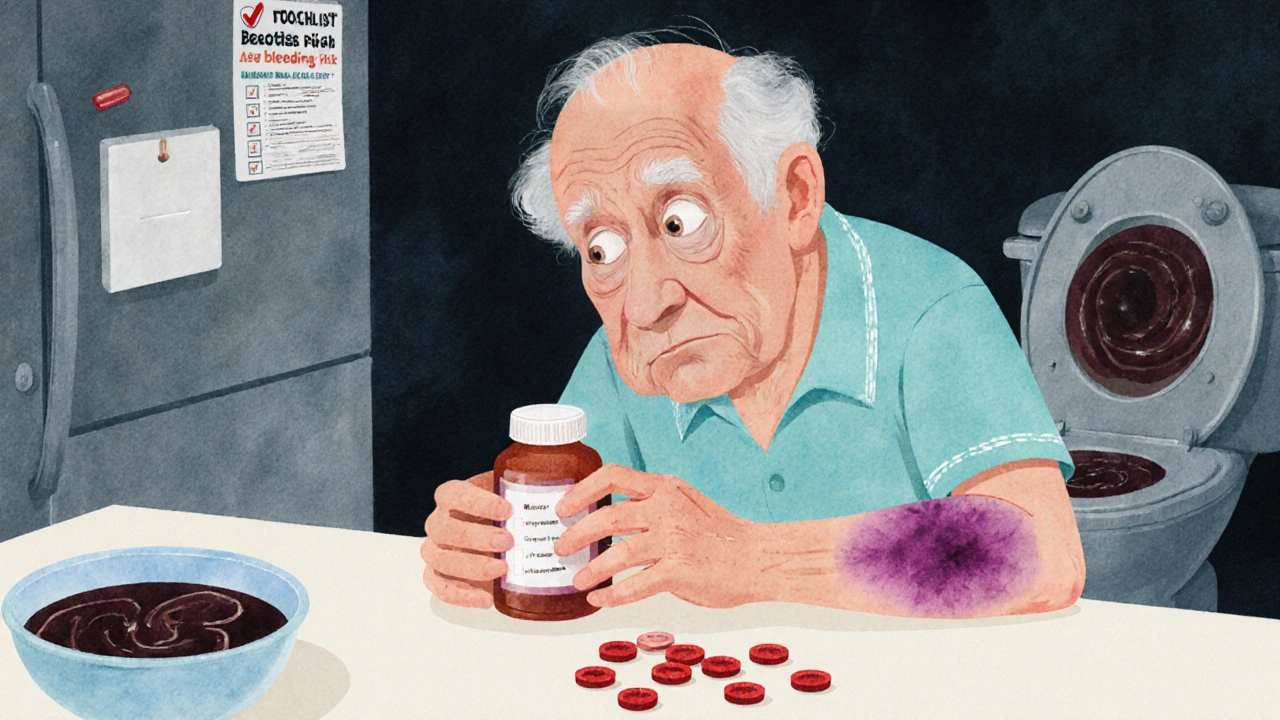
Blood Thinner Overdose and Internal Bleeding: What to Do Immediately
Know the signs of blood thinner overdose and internal bleeding. Learn what to do immediately, how hospitals treat it, and how to prevent it from happening again.
Recent-posts
Gender-Affirming Hormone Therapy: How It Interacts with Other Medications

Metformin for PCOS: How It Improves Ovulation and Insulin Sensitivity
What Are Authorized Generics? A Clear, Complete Explanation

Unlock the Healing Potential of Gumweed: Your New Go-To Dietary Supplement