
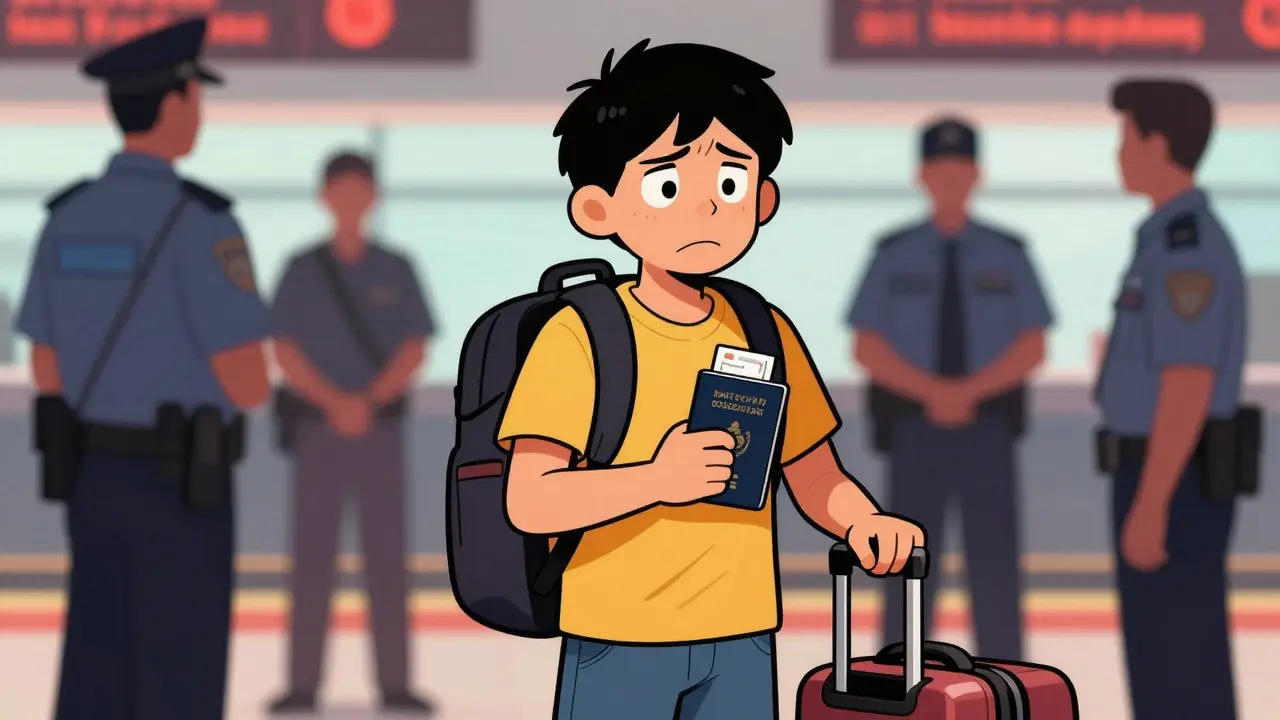
You might think packing your luggage for a trip is just about clothes and souvenirs. But if you take prescription medication, especially something regulated, your bag can contain enough legal trouble to get you detained at customs. Getting stopped over a bottle of ADHD medication or painkillers is not a glitch in the system; it is a common reality for travelers who skip proper paperwork.
The stakes are real. Authorities in many countries treat unmarked medication strictly. You do not want to find yourself explaining your medical needs to border control officers while standing in a holding cell. A doctor's letter for controlled substances bridges that gap. It proves your medication is for personal medical use and not for distribution or illegal sale.
Understanding the Document Defined
This document is often called a medical certificate or travel consent letter. It is a formal verification from your prescribing physician. It confirms three critical points: you have a legitimate diagnosis, you need this specific drug to function, and the quantity in your luggage is reasonable for your trip duration.
Without this paper, you are essentially relying on verbal trust. That rarely works at international borders. The International Narcotics Control Board (INCB) monitors global drug policy. They set the standard that allows governments to control psychotropic substances under specific frameworks. Their guidelines suggest that patients traveling with treatment should carry proof of their status.
In 2023 alone, over 120 documented cases involved travelers being detained simply because they lacked this documentation. Some were detained for an average of two weeks while authorities processed their situation. A simple letter prevents this nightmare scenario.
What Must Be On The Page?
You cannot just print a generic template from a blog and sign it yourself. The doctor must generate this on official letterhead. There are specific data points required to make it valid for customs officials who may not speak your language fluently.
- Patient Details: Your full legal name exactly as it appears on your passport. Include your date of birth.
- Provider Details: Your doctor’s name, license number, clinic address, and direct contact information.
- Diagnosis Statement: A brief, professional note confirming the condition. Vague terms like “stress” often fail scrutiny. Use the actual medical terminology used in your records.
- Medication List: This is where most errors happen. Brand names change from country to country. A pill called Adderall in the US is known by a different generic name elsewhere.
Always request the generic name of the active ingredient. For example, instead of writing Ritalin, ensure the letter lists methylphenidate. This chemical naming ensures local pharmacists and officers recognize the substance regardless of brand.
The dosage and frequency must match what is written on the pharmacy label. If you take 20mg daily, the letter should state “20 mg once daily.” Discrepancies here raise red flags about potential diversion.
Regional Requirements Compared
| Jurisdiction | Letter Required | Quantity Limit | Special Notes |
|---|---|---|---|
| European Union (EU) | Recommended for opioids/stimulants | Up to 90 days supply | Must accompany original prescription |
| Japan | Mandatory for all psychotropics | 1 month maximum usually | Some stimulants entirely banned regardless of docs |
| United Arab Emirates (UAE) | Mandatory plus Ministry Approval | Variable | Requires advance clearance before arrival |
| United Kingdom (UK) | Not mandatory but advised | Reasonable quantity for stay | Controlled drugs register required for long stays |
| Singapore | Mandatory for benzodiazepines/opioids | Strictly enforced | Possession without approval carries jail terms |
Notice how Singapore and UAE stand out. These jurisdictions impose criminal penalties even if you have the medicine. The United States Department of State reports that nearly 60% of travelers rely on unreliable sources for this info. Checking the embassy website of your destination is the only way to be certain.
In contrast, the Food and Drug Administration (FDA) generally advises travelers entering the US to keep meds in carry-on bags. However, they emphasize that the labeling must show the patient’s name clearly. If you transfer pills to a generic organizer, you lose that link unless you have the letter to support it.
The Timeline for Preparation
Rushing this process guarantees failure. Doctors are busy, and some practices need days to file documents onto official stationery. Contact your prescriber at least six weeks before departure. This gives you time to correct any missing information if they draft the letter incorrectly the first time.
If you are switching doctors or starting a new treatment, timing becomes tighter. Some clinics refuse to write travel letters for patients who haven’t been seen recently. If you are visiting an old provider, expect them to request an appointment review first. Bring your current bottle to that visit.
During the consultation, bring a checklist. Ask the staff explicitly: "Will you include the chemical generic name?" and "Are you using the official clinic header with my signature visible?" Many administrative assistants handle these requests, and without clear instruction, they may omit the crucial technical details.
Packing and Transport Strategy
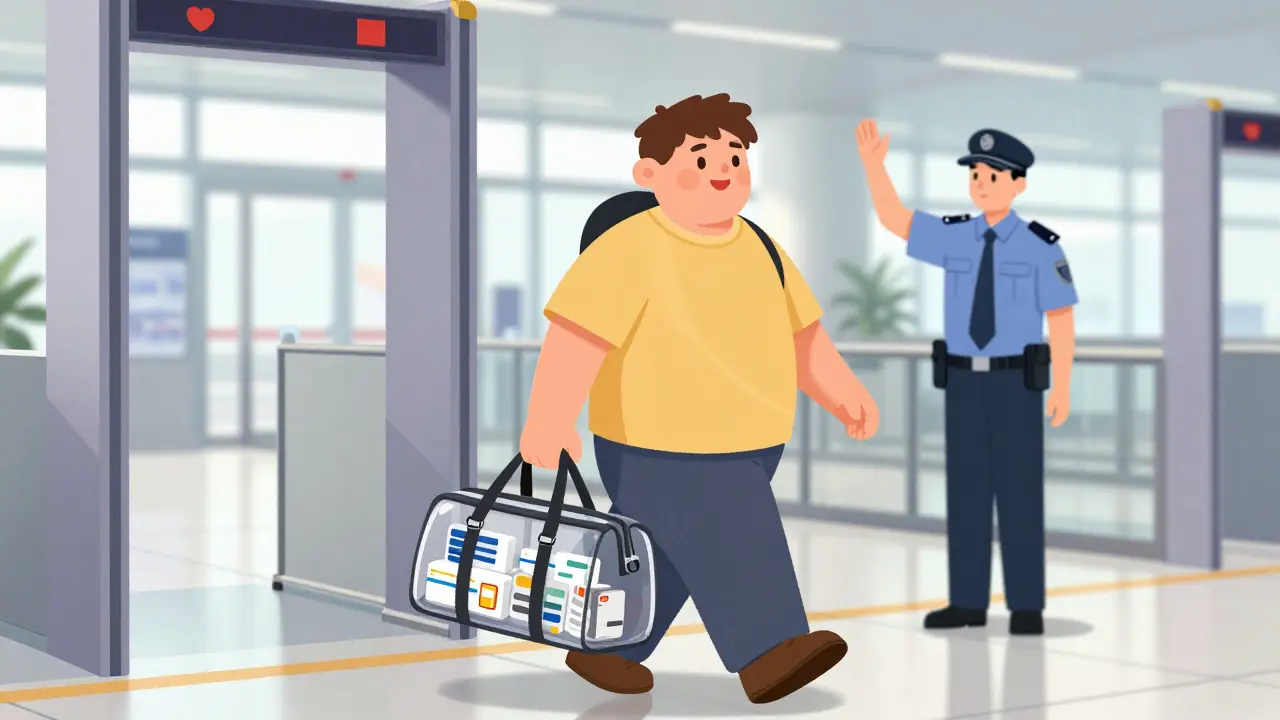
Once you have the letter, how you pack the medicine matters almost as much. Never remove tablets from their original packaging if possible. The pharmacy label serves as secondary proof of purchase and authorization.
Place the letter in a separate compartment than the medication itself. You do not want officers seeing the pills before seeing the authorization. Keep the document in your carry-on bag, not checked luggage. Checked bags can get lost or separated, leaving you stranded at a foreign airport with your meds in a suitcase you cannot access.
Keep a physical copy and a digital backup. Cloud storage can fail if you lack internet signal. Having a PDF on your phone helps, but paper is still king at customs counters. If the paper gets wet or torn, having a digital backup lets you reprint or display it immediately to a consular officer.
Common Failures and Risks
One major error involves expired prescriptions. If your prescription was refilled months ago and shows an expiration date prior to your return date, some border agents view that as invalid stock. Extend your refills to cover the entire trip plus a buffer week.
Another frequent issue involves translation. While English is widely spoken in business, official government documents in non-English speaking nations might require a certified translator. The INCB suggests that accompanying documents must be understood by local authorities. If you are flying to Brazil or China, having an official translation of the letter alongside the English original prevents confusion.
Do not share your medications with anyone. Even a friendly stranger asking about your "pills" can lead to serious accusations if they are caught with yours later. Legal liability attaches to the original owner of the prescription. Your letter protects you, not others.
Finally, understand that regulations change. A rule from five years ago might not apply today. New security measures post-pandemic have made agencies like the World Health Organization stricter about tracking controlled movement of substances. Staying updated via official embassy alerts is vital.
Frequently Asked Questions
Do I need a doctor's letter for over-the-counter medicines?
Generally, no. Over-the-counter items like basic painkillers or allergy meds rarely require certification. However, high-dose ingredients or those containing pseudoephedrine can trigger customs concerns, making a letter wise.
Can I carry injectables like insulin without a letter?
Can I carry injectables like insulin without a letter?
Insulin is not always classified as a controlled substance, but syringes and needles raise alarms. Always carry a letter explaining the medical necessity of carrying needles. Without it, TSA screening can be delayed significantly.
Is a printed copy of the prescription enough?
For controlled substances, a prescription alone is usually insufficient. Most customs agencies distinguish between a refill slip and a medical certificate. The certificate explains the 'why,' which the prescription does not.
What if the destination country requires a translation?
If your destination is non-English speaking, contact that country’s embassy for approved translators. Unverified translation apps are not accepted by law enforcement and may cause delays at entry ports.
How far in advance should I get the letter?
Request the letter eight weeks prior to travel. This provides a buffer for corrections and avoids last-minute scheduling conflicts with your provider.

Austin Oguche
March 28, 2026 AT 15:57International travel requires extra planning steps to avoid legal trouble at customs
Sarah Klingenberg
March 29, 2026 AT 07:33Sharing knowledge helps prevent headaches for families :) we appreciate the warning signs
Shawn Sauve
March 31, 2026 AT 01:45It is great to know the rules before going somewhere new ;) safety comes first always
walker texaxsranger
March 31, 2026 AT 19:33The system is designed to fail us from the ground up while corporate interests take precedence. We see regulatory frameworks that shift like sand depending on who holds the keys to the kingdom. Medical necessity becomes secondary to bureaucratic checkboxes at the border. Governments claim safety yet create nightmares for honest citizens moving across lines. It feels like a control mechanism disguised as health protocol. They monitor movement more than they care about patient survival rates globally. Pharmacological independence is a myth in the modern surveillance state architecture. You pack your pills and trust lies waiting in the digital database. Customs officers have too much power without proper medical training. They enforce policies written by people who never needed stimulants themselves. The supply chain is rigged against those seeking basic functional autonomy. Your freedom to move is conditional on compliance with shifting red tape layers. This dynamic creates anxiety for travelers carrying legitimate chemical aids. We must accept that documentation is merely theater masking deeper agendas. True sovereignty requires bypassing the need for external validation entirely.
Eva Maes
April 2, 2026 AT 16:36Some people think they know everything until they get stuck in a holding cell screaming
Debra Brigman
April 3, 2026 AT 05:28Pills are just molecules but borders are made of invisible fear and paper walls
tyler lamarre
April 4, 2026 AT 20:54Oh wonderful another reason to fill out paperwork instead of just flying
Tony Yorke
April 5, 2026 AT 19:59I always keep my meds in the original bottle
Rachael Hammond
April 7, 2026 AT 15:51I really think travle is hard becuz medecine laws change fast and it scares me lots
Devon Riley
April 9, 2026 AT 02:42This helps everyone stay safe and healthy 🌟✈️ we should support each other
Tommy Nguyen
April 10, 2026 AT 02:07Positive vibes for all travelers heading out soon
Kameron Hacker
April 10, 2026 AT 16:32You better follow the law or you will rot in jail for months
Poppy Jackson
April 10, 2026 AT 22:31My gosh the bureaucracy is absolutely terrifying for anyone trying to leave the house
Jeannette Kwiatkowski Kwiatkowski
April 11, 2026 AT 18:29Only the educated know how to navigate these administrative minefields effectively