Internal Bleeding: Signs, Risks, and What Medications Can Cause It
When you think of bleeding, you picture a cut or scrape. But internal bleeding, bleeding inside the body that isn’t visible from the outside. Also known as hidden hemorrhage, it can creep up without warning and become life-threatening fast. Unlike a nosebleed or scraped knee, internal bleeding doesn’t always scream for attention. It might just make you feel tired, dizzy, or achy—symptoms many people ignore until it’s too late.
Many common medications can silently increase your risk. blood thinners, drugs that prevent clots but also reduce the body’s ability to stop bleeding. Also known as anticoagulants, they include warfarin, apixaban, and rivaroxaban—medications millions take daily for atrial fibrillation, deep vein thrombosis, or after a stroke. Then there’s aspirin, a daily pill for heart health that also thins the blood. Also known as salicylate, it’s in everything from headache relief to cardiac prevention. Even fish oil supplements, often seen as harmless, can add to the risk when taken with these drugs. You don’t need a major injury for bleeding to start. A simple fall, a cough, or even routine dental work can trigger it in someone on these meds.
What does internal bleeding actually look like? It’s not always obvious. A swollen, tender abdomen could mean bleeding in the liver or spleen. A headache that won’t quit might signal bleeding in the brain. Unexplained bruising, especially on the chest or back, or dark, tarry stools are red flags. If you’re on a blood thinner and suddenly feel weak, short of breath, or your heart races for no reason, don’t wait. These aren’t normal side effects—they’re warning signs.
Some people think if they’re not on a blood thinner, they’re safe. But that’s not true. Even common painkillers like ibuprofen or naproxen can irritate the stomach lining and cause slow, internal bleeding over time. Diuretics? They don’t directly cause bleeding, but they can throw off your electrolytes and make your body more vulnerable to complications. And if you’re taking multiple meds—say, a blood pressure pill, a cholesterol drug, and a supplement—those interactions add up. It’s not about fear. It’s about awareness.
That’s why the posts below matter. You’ll find real, practical guides on how internal bleeding connects to medications you might be taking. Learn how INR levels track your blood thinning, why barcode scanning in pharmacies cuts down errors, and how black box warnings on prescriptions flag bleeding risks you might miss. See how fish oil and aspirin interact, how diuretics affect your body’s balance, and what to do if you suspect a medication error. These aren’t theory pieces—they’re tools for people who take meds daily and want to stay safe.
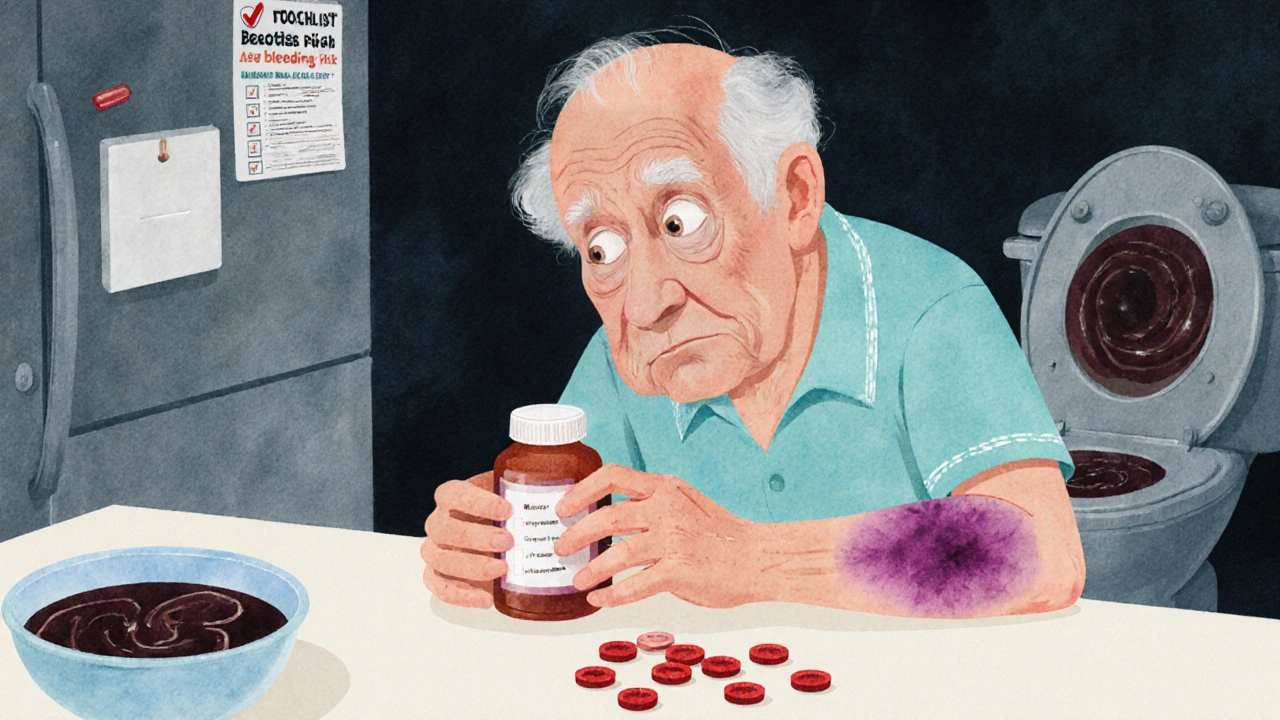
Blood Thinner Overdose and Internal Bleeding: What to Do Immediately
Know the signs of blood thinner overdose and internal bleeding. Learn what to do immediately, how hospitals treat it, and how to prevent it from happening again.
Recent-posts

Where and How to Buy Olmesartan Online Safely: 2025 Guide
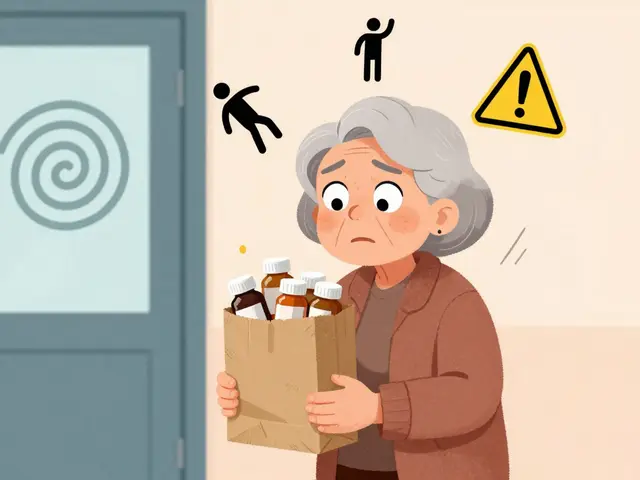
Fall Risk in Older Adults: Medications That Increase Injury Potential

How to Recognize Depression’s Impact on Medication Adherence
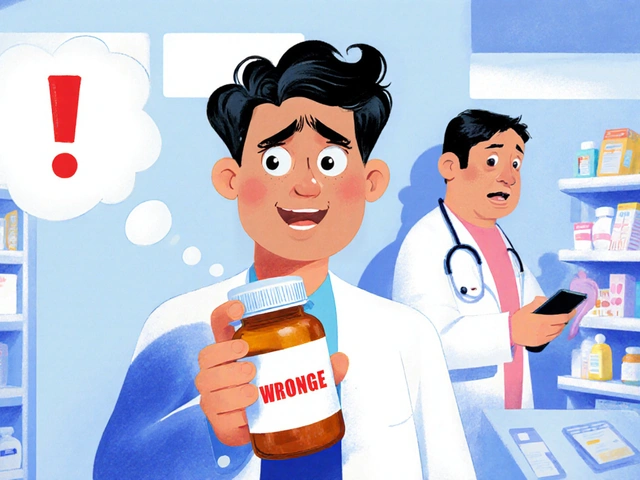
How to Report a Medication Error or Concern to Your Provider