Counterfeit Drugs Warning Signs: How to Spot Fake Medication
When you buy medication, you expect it to work—and to be safe. But counterfeit drugs, fake versions of real medicines that may contain nothing, the wrong dose, or dangerous ingredients are a growing problem worldwide. These aren’t just missing active ingredients—they can be laced with rat poison, paint thinner, or deadly chemicals. The FDA estimates that 1 in 10 medications sold globally are fake, and in some regions, it’s as high as 50%. You don’t need to be a pharmacist to spot them. You just need to know what to look for.
Fake medication, often sold online or through unlicensed pharmacies looks almost identical to the real thing. But tiny details give it away. Check the packaging: misspelled words, blurry logos, mismatched colors, or missing batch numbers are red flags. Real pills come in sealed blister packs with tamper-evident seals. If the bottle cap twists off too easily, or the pills are cracked, discolored, or smell odd, walk away. Even the texture matters—counterfeit pills might feel too soft, too hard, or crumble when you touch them. These aren’t just inconveniences—they’re life-threatening.
Drug safety, the practice of ensuring medications are genuine and properly stored starts before you even open the bottle. Never buy from websites that don’t ask for a prescription, or from street vendors, social media sellers, or unverified pharmacies. Legit online pharmacies are verified by the National Association of Boards of Pharmacy (NABP) and display a VIPPS seal. If a deal seems too good to be true—like 80% off insulin or brand-name pills for $5—it almost always is. Counterfeiters target high-demand drugs: antibiotics, diabetes meds, heart pills, and erectile dysfunction treatments. They know people are desperate for affordable options.
And here’s what most people don’t realize: fake drugs don’t just fail to work—they make you sicker. People have ended up in the hospital after taking counterfeit antibiotics that contained no active ingredient, letting infections spread unchecked. Others suffered strokes from fake blood pressure pills that had no effect. Some have died from counterfeit cancer drugs laced with toxic chemicals. The harm isn’t always immediate. Sometimes, the fake drug works at first—then suddenly stops working, leaving you unaware your treatment has failed.
That’s why medication verification, the process of checking a drug’s authenticity before use matters. If you’re unsure, take the pill to your pharmacist. They can compare it to the real product, check lot numbers, and even contact the manufacturer. Many countries now have smartphone apps that let you scan a code on the package to verify authenticity. In the U.S., the Drug Supply Chain Security Act is slowly rolling out track-and-trace systems—but until then, you’re your own first line of defense.
And don’t ignore your body. If you start feeling worse after starting a new medication—if you get sudden nausea, dizziness, rashes, or strange symptoms you’ve never had before—stop taking it and call your doctor. That could be your body reacting to something toxic in a counterfeit pill. Keep the packaging. Take a photo. Report it to the FDA’s MedWatch program. Your report could save someone else’s life.
The truth is, you can’t always trust what’s in that bottle. But you can learn to spot the signs. You can ask the right questions. You can choose where to buy. And you can speak up when something feels wrong. Below, you’ll find real stories and practical guides from people who’ve been there—how to check your meds, what to do if you suspect a fake, and how to avoid falling for scams that put your health at risk.
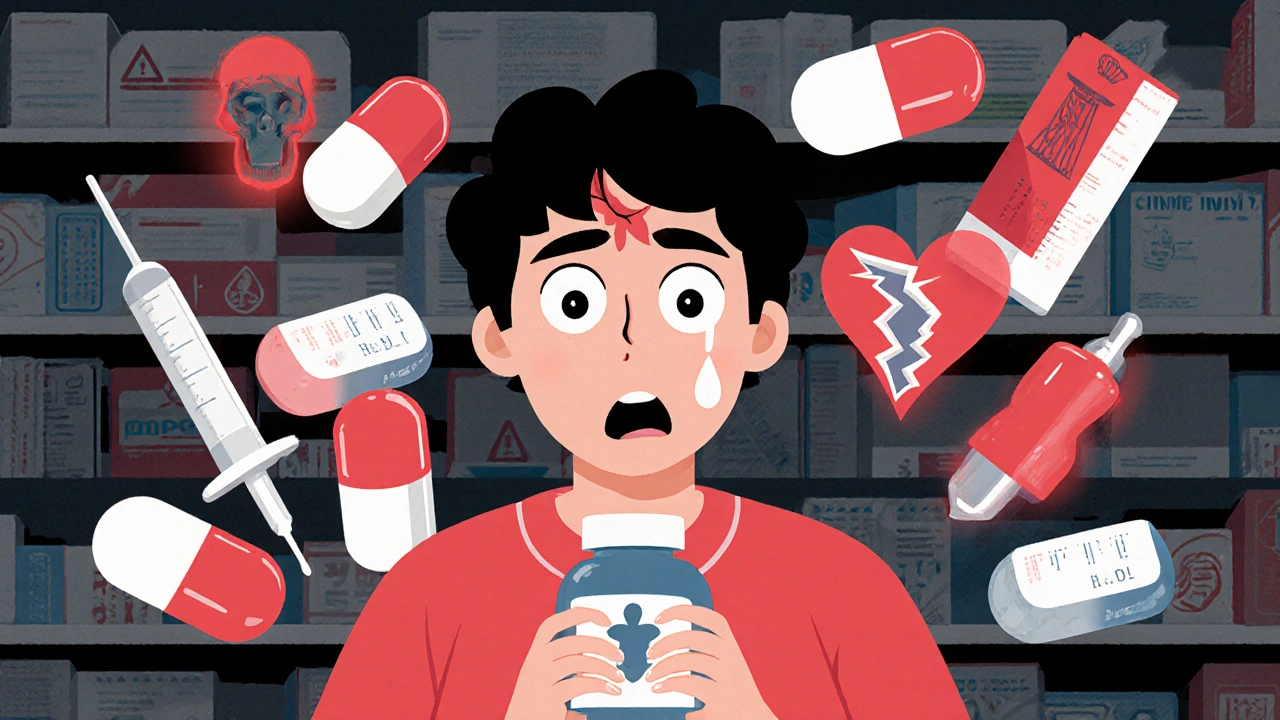
Symptoms of Taking Counterfeit Medications: What to Watch For
Counterfeit medications can look real but cause serious harm - from no effect to fatal poisoning. Learn the key symptoms to watch for, how fake pills are made, and what to do if you suspect you've taken one.
Recent-posts
Exploring 10 Dynamic Alternatives to GoodRx in 2025

Buy Cheap Generic Claritin (Loratadine) Online in the UK: Prices, Safe Sites, Dosage, and Alternatives
Step Therapy Rules: What You Need to Know About Insurance Requirements to Try Generics First
Healthcare Communication Training: How Institutional Education Programs Improve Patient Outcomes