C. diff Prevention: How to Stop Infection and Protect Yourself
When you hear C. diff, a bacteria that causes severe diarrhea and colitis, often after antibiotic use. Also known as Clostridioides difficile, it doesn’t just show up out of nowhere—it thrives when the normal gut bacteria are wiped out, usually by antibiotics. This isn’t a rare hospital problem. Over 500,000 cases happen in the U.S. every year, and nearly 30% of people who get it will get it again. The good news? Most cases are preventable—if you know what to look for and what to avoid.
Antibiotic use, the main trigger for C. diff infections is the biggest risk factor. Not all antibiotics are equal—clindamycin, fluoroquinolones, and cephalosporins are the usual suspects. But even a short course can throw your gut off balance. That’s why doctors are now pushing back on unnecessary prescriptions, especially for colds or viral infections where antibiotics do nothing. Hand hygiene, the simplest and most effective barrier against spreading C. diff spores isn’t just soap and water—it’s the right kind of soap and water. Alcohol-based sanitizers don’t kill C. diff spores. Only thorough handwashing with soap and water works. And if you’re in a hospital or care facility, watch how staff clean surfaces. Spores can live on doorknobs, bed rails, and toilets for months.
It’s not just about hospitals. Nursing homes, rehab centers, and even homes where someone recently had C. diff are high-risk zones. If a family member had it, cleaning with bleach-based products matters. If you’re on antibiotics, talk to your doctor about probiotics—some strains like Saccharomyces boulardii may help protect your gut. And if you’re ever hospitalized, ask if they’re using contact precautions for patients with diarrhea. Most places do, but not all.
What you’ll find below are real stories and practical guides on how medication errors, hospital safety, and even pharmacy practices connect to C. diff risk. From how barcode scanning cuts infection spread to why generic drug shortages force hospitals to use riskier alternatives, these posts show you the hidden links between everyday medical decisions and your chance of getting sick. No fluff. Just what you need to stay safe.
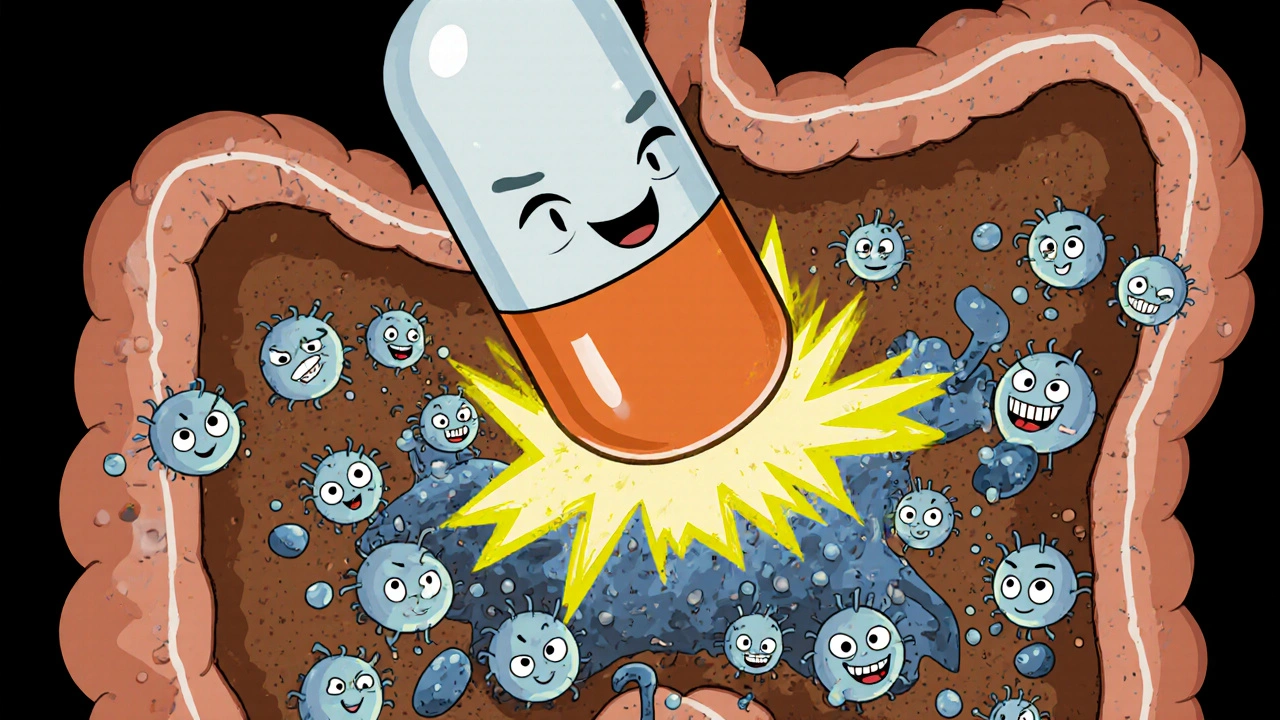
Clostridioides difficile: Understanding Antibiotic-Associated Diarrhea and How to Prevent It
Clostridioides difficile causes severe antibiotic-associated diarrhea and can be life-threatening. Learn how it spreads, how it’s treated today, and the most effective ways to prevent it - especially if you're on antibiotics.
Recent-posts

Time in Range: How CGM Metrics Can Transform Diabetes Management

Amalaki Extract vs Top Herbal Alternatives: Full Comparison

The cost of disulfiram treatment: Is it worth the investment?

Comprehensive Guide to Diflucan: Dosage, Side Effects, and Interactions