
Fall Risk Medication Checker
Check Your Fall Risk
Enter medications currently being taken. This tool assesses risk based on the CDC and American Geriatrics Society guidelines.
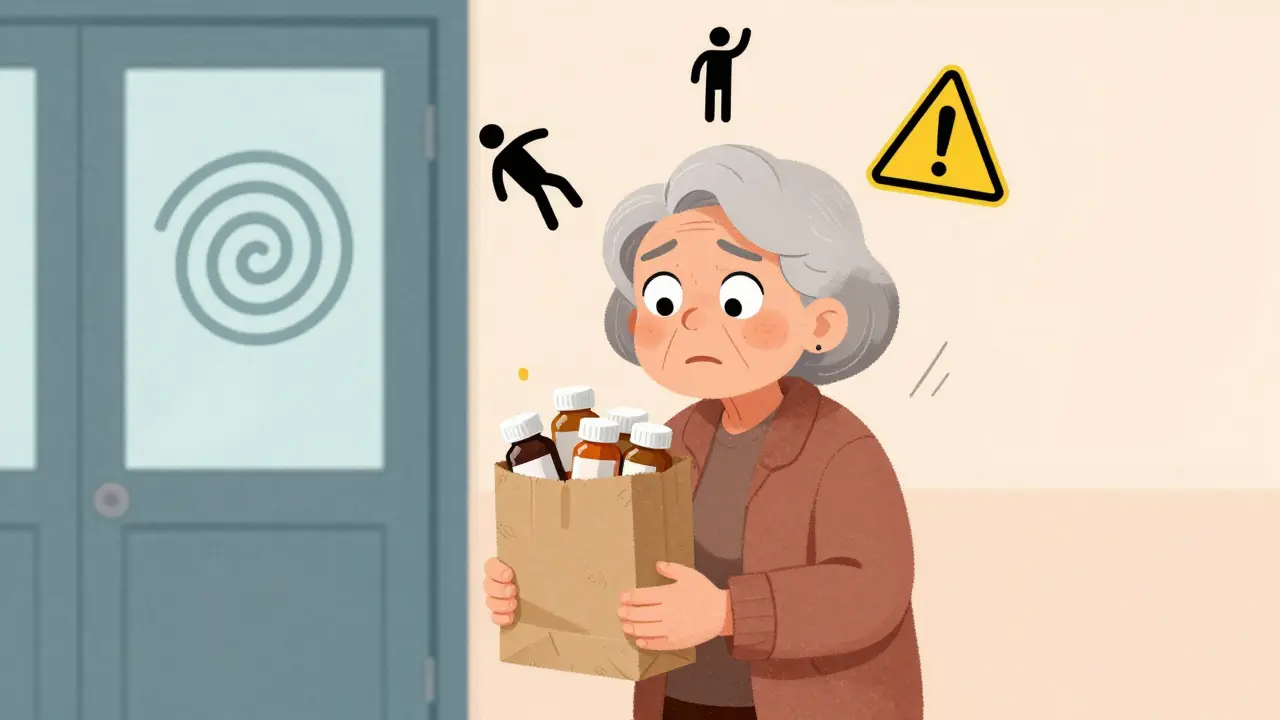
Every year, about one in three adults over 65 falls. For many, it’s not just a stumble-it’s a broken hip, a hospital stay, or worse. And while slippery floors or poor lighting get all the attention, there’s something far more common-and often overlooked-that’s quietly putting older adults at risk: their own medications.
Why Medications Are the Hidden Cause of Falls
Falls aren’t just accidents. In older adults, they’re often the result of side effects from drugs meant to help. The CDC says that 28% of seniors who fall blame their meds. But here’s the problem: only 15% of them ever tell their doctor. Many assume dizziness or unsteadiness is just part of getting older. It’s not. It’s often a red flag.Drugs don’t work the same in older bodies. Kidneys and liver slow down. Muscle mass drops. Balance systems weaken. That means even normal doses can build up, linger too long, or hit harder than intended. And when a medication affects your brain, blood pressure, or muscles, your feet can forget where they are.
The Top 9 Medication Classes That Raise Fall Risk
Nine types of drugs are known to increase fall risk. Some are obvious. Others sneak in under the radar.- Antidepressants - Tricyclics (like amitriptyline) and even SSRIs (like sertraline) can cause drowsiness, dizziness, and low blood pressure. A 2023 Mayo Clinic review found these drugs had the strongest link to falls among all classes studied.
- Benzodiazepines - Drugs like diazepam (Valium), lorazepam (Ativan), and alprazolam (Xanax) are prescribed for anxiety or sleep. But they slow reaction time, blur vision, and impair coordination. Long-term use? That’s when risk spikes. The American Geriatrics Society says they can increase fall risk by 50%.
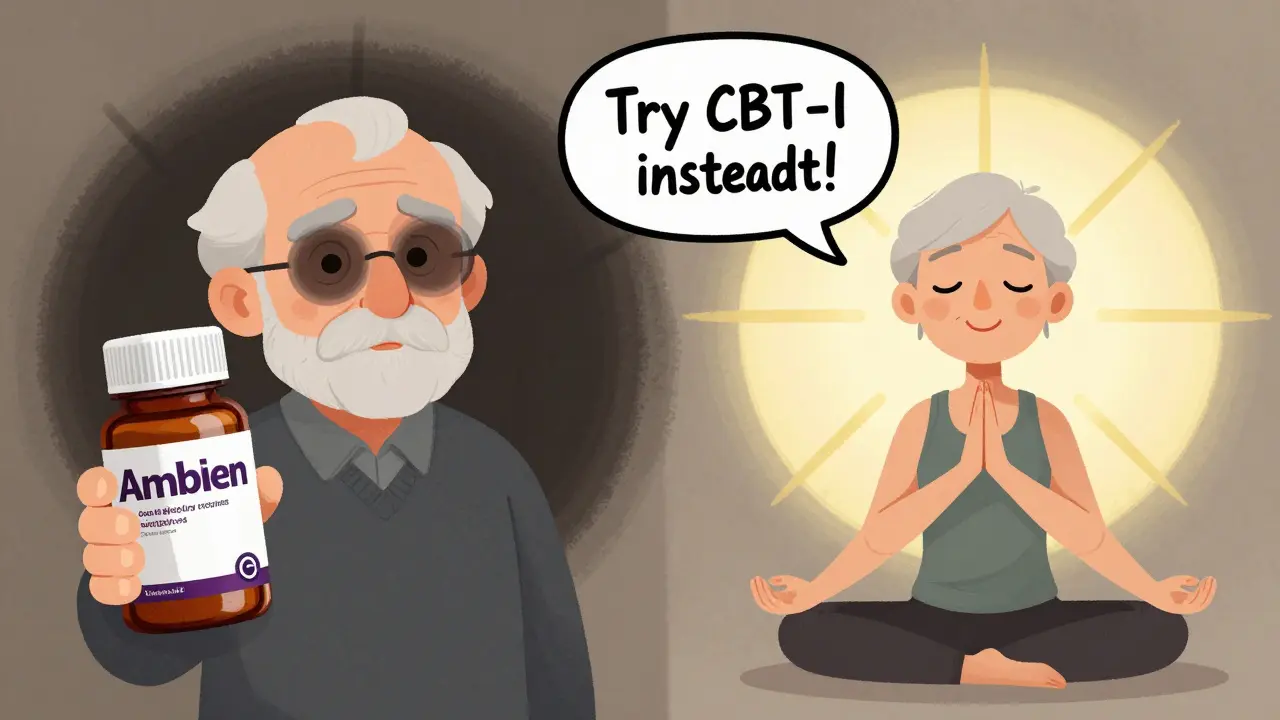
- Sedative-hypnotics - Zolpidem (Ambien), eszopiclone (Lunesta), zaleplon (Sonata). These sleep pills can leave you groggy the next day-even if you feel fine. Some people even sleepwalk or get up and move without remembering. The CDC calls them a major red flag.
- Antipsychotics - Used for dementia-related agitation, drugs like haloperidol and risperidone can cause stiffness, tremors, and sudden drops in blood pressure. First-generation versions carry higher risk than newer ones.
- Opioids - Painkillers like oxycodone or hydrocodone cause dizziness, confusion, and slowed reflexes. High-dose opioids? They can boost fall risk by up to 80% compared to low-dose options.
- Diuretics - Water pills like furosemide (Lasix) help with swelling or high blood pressure. But they can make you urinate too often, leading to rushed trips to the bathroom-and falls. They also lower potassium, which can cause muscle weakness.
- Antihypertensives - Blood pressure meds like beta-blockers or ACE inhibitors can cause orthostatic hypotension: a sudden drop in pressure when standing up. That’s when you feel lightheaded, see spots, and go down.
- NSAIDs - Ibuprofen, naproxen. These common pain relievers can interfere with blood pressure control and cause dizziness. A 2023 study showed they raise fall risk by about 25%.
- Anticholinergics - Found in many OTC allergy meds (like diphenhydramine/Benadryl) and bladder pills (like oxybutynin), these drugs dry out the mouth and eyes-and fog the brain. Older adults can become confused, forgetful, or unsteady without realizing why.
What Makes Some Drugs Worse Than Others?
Not all drugs in these classes are equal. Longer-acting versions stick around longer, increasing risk. For example, diazepam (Valium) stays in the system for days. Lorazepam (Ativan) clears faster. So if you’re on a long-acting benzodiazepine, your risk is higher.Muscle relaxants like baclofen are another example. They’re often prescribed for back pain or spasticity. But Mayo Clinic data shows baclofen increases fall risk by 70%-much higher than other muscle relaxants like cyclobenzaprine.
And dosage matters. A 5mg dose of zolpidem might be okay for a 60-year-old. But for someone 80? That same dose can be dangerous. Many prescriptions haven’t been adjusted for age.
Real Stories Behind the Numbers
On Reddit, a caregiver wrote about her 78-year-old mother who fell three times in two months after starting Ambien. The third fall broke her hip. She needed surgery and never walked the same again. Another user on GoodRx shared that after six months on Xanax, she became so unsteady she installed grab bars in her bathroom and shower. She didn’t connect the dots until her pharmacist asked about her meds during a refill. A 2023 study in the Journal of Geriatric Physical Therapy found 63% of seniors taking multiple high-risk drugs had no idea they were at risk. They weren’t warned. No one asked.What Can Be Done?
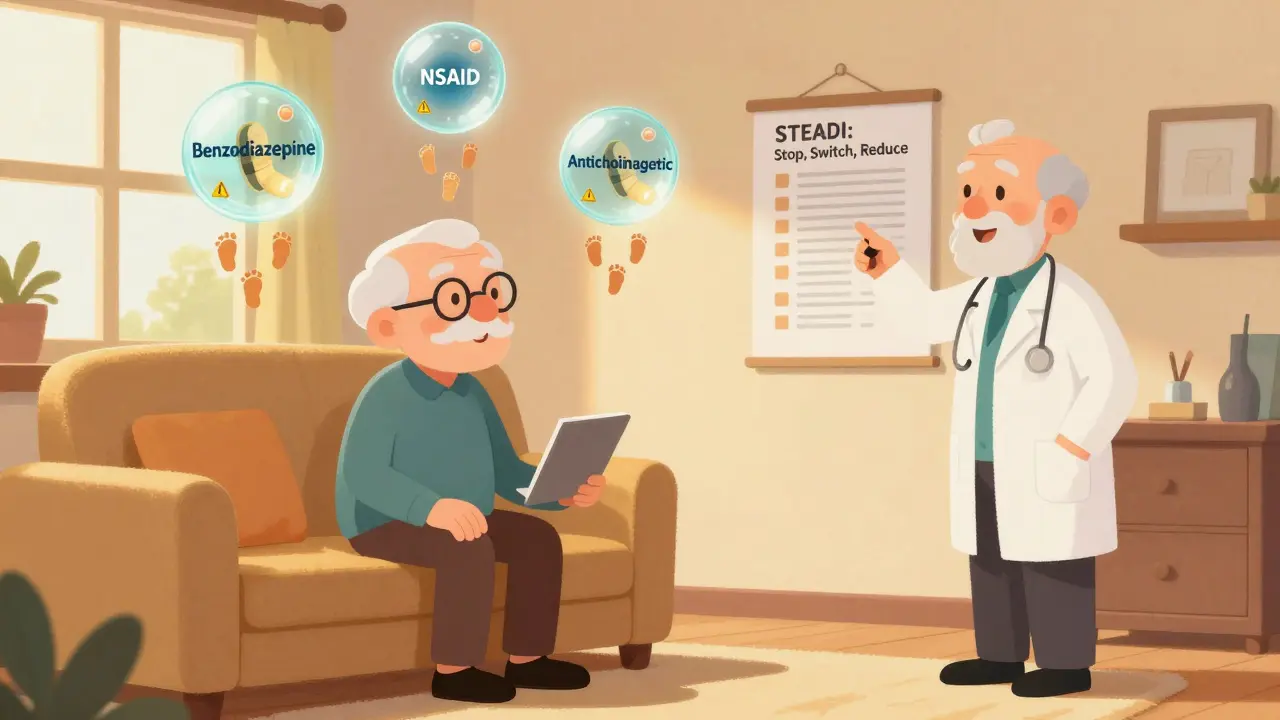
The good news? Most of these risks can be reduced-sometimes eliminated-without giving up treatment.The CDC’s STEADI program gives clear advice: STOP unnecessary meds, SWITCH to safer options, REDUCE doses to the lowest effective level.
For sleep problems, cognitive behavioral therapy for insomnia (CBT-I) works better than pills. Studies show it’s 70-80% effective and has no fall risk. For anxiety, non-benzodiazepine options like buspirone are available-though they cost more. Generic benzodiazepines run $30 a month. Newer alternatives? Up to $450.
For overactive bladder, there are newer drugs with fewer brain effects. For pain, physical therapy and acetaminophen (in safe doses) often work better than NSAIDs or opioids.
How to Protect Yourself or a Loved One
You don’t have to wait for a fall to act. Here’s what to do now:- Do a brown bag check. Bring every pill, supplement, and OTC bottle to your next doctor or pharmacist visit. Don’t leave anything out-even the herbal teas or melatonin.
- Ask: Is this still needed? For every medication, ask: Why was it prescribed? Is it still helping? Could it be stopped?
- Request a medication review. Ask for a formal review by a pharmacist or geriatrician. Medicare now covers annual medication reviews for seniors.
- Watch for new symptoms. If you’ve started a new drug and feel dizzy, tired, or unsteady, don’t ignore it. Call your doctor. Don’t wait.
- Use one pharmacy. If you use multiple pharmacies, they can’t see all your meds. Stick to one so your pharmacist can spot dangerous combinations.
The Bigger Picture
Falls cost the U.S. healthcare system $50 billion a year. Medication-related falls make up $11 billion of that. But money isn’t the only cost. It’s independence. It’s dignity. It’s the ability to live at home.More doctors are waking up to this. Geriatrician visits for medication reviews have jumped 35% since 2018. AI tools now scan prescriptions and flag fall risks with 89% accuracy. And in 2024, the National Institute on Aging launched a $15 million program to study how to safely stop these drugs.
But change starts with you. If you’re caring for an older adult-or if you’re one-don’t assume dizziness is normal. Ask questions. Review the list. Push for safer options. Because the right medication can save a life. The wrong one-or the wrong dose-can take it away.
Which medications are most likely to cause falls in older adults?
Antidepressants, benzodiazepines, sedative-hypnotics like Ambien, antipsychotics, and opioids carry the highest risk. Antidepressants have the strongest link to falls according to recent studies. Benzodiazepines increase risk by about 50%, and high-dose opioids can raise it by up to 80%. Even common drugs like NSAIDs and anticholinergics (found in allergy meds) can contribute through dizziness or confusion.
Can stopping a medication really reduce fall risk?
Yes-often dramatically. A 2023 study found that when seniors safely stopped one or more high-risk medications, their fall risk dropped by 30-50%. This is especially true for benzodiazepines and sleep aids. The key is tapering slowly under medical supervision to avoid withdrawal. Stopping isn’t always easy, but it’s often the most effective way to prevent falls.
Are over-the-counter drugs also dangerous for seniors?
Absolutely. Many OTC meds contain anticholinergics-like diphenhydramine (Benadryl) or doxylamine (Unisom)-which cause drowsiness and confusion. Even cold and allergy pills can be risky. A 2022 study found 65% of seniors didn’t realize their allergy meds could increase fall risk. Always check labels and talk to a pharmacist before taking anything new.
How often should older adults review their medications?
At least once a year, and anytime a new drug is added or symptoms like dizziness or confusion start. The CDC and American Geriatrics Society recommend annual medication reviews for everyone 65 and older. If someone takes five or more medications, reviews should happen every six months. Pharmacists are trained to spot dangerous combinations and can help reduce risk.
What are safer alternatives to high-risk medications?
For insomnia, cognitive behavioral therapy (CBT-I) is the first-line treatment and works better than pills. For anxiety, buspirone or SSRIs (used carefully) are safer than benzodiazepines. For pain, acetaminophen and physical therapy are preferred over NSAIDs or opioids. For overactive bladder, newer drugs like mirabegron have fewer brain side effects than older anticholinergics. Always discuss alternatives with your doctor before switching.



Jane Lucas
December 29, 2025 AT 06:10Caitlin Foster
December 31, 2025 AT 02:22Elizabeth Alvarez
January 1, 2026 AT 04:43Kylie Robson
January 1, 2026 AT 18:00dean du plessis
January 3, 2026 AT 05:10Miriam Piro
January 4, 2026 AT 21:46Andrew Gurung
January 5, 2026 AT 15:12Paula Alencar
January 7, 2026 AT 02:37Nikki Thames
January 8, 2026 AT 19:03Chris Garcia
January 9, 2026 AT 02:51James Bowers
January 9, 2026 AT 20:30