
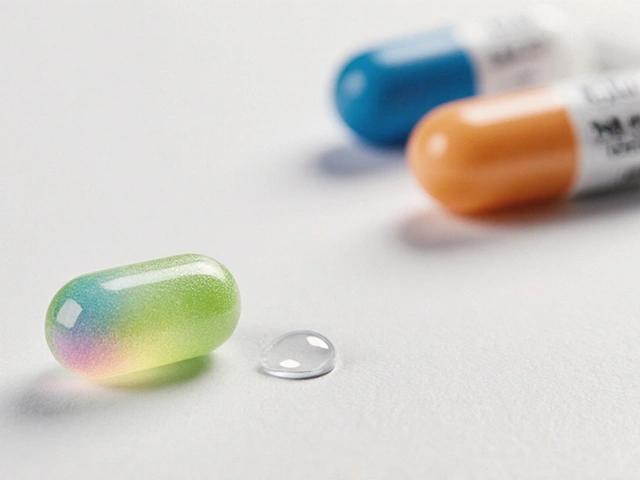
There's a sticker on almost every bottle of pills you own, promising a specific date until which everything works perfectly. That Medication Expiration Date is the final day the manufacturer guarantees full potency and safety when stored under specified conditions. We tend to treat that date like a bomb timer, assuming anything taken past midnight is instantly dangerous. But the reality is a bit more complicated than a binary safe-or-not switch. Understanding what drives that date helps you decide whether tossing a pillbox saves lives or just waste.
The Guarantee Behind the Printed Date
Manufacturers aren't guessing when they print these dates. They follow strict protocols mandated by agencies like the U.S. Food and Drug AdministrationFDA since 1979. The date represents the moment when the Drug Potency falls below 90% of what the label promises. This isn't about poison appearing overnight; it's about performance dropping gradually. Stability testing checks how long active ingredients stay strong while harmful impurities remain low. Most companies set conservative dates between 12 to 60 months based on accelerated testing where drugs face extreme heat and humidity. So, when you see that date, it's the last day the company promises the pill does exactly what it says it does.
What Happens After the Date Passes?
Just because the guarantee expires doesn't mean the medicine instantly turns toxic. Studies like the military's Shelf Life Extension Program tested 122 drug products across thousands of lots found that approximately 88% of medications remained effective 15 years beyond their printed date. Drugs like ciprofloxacin held 97% potency 12 years later. Amoxicillin kept 94% strength eight years past expiry. These findings suggest that for many stable solid forms, the decline is slow. However, this depends entirely on how the bottle was handled. If a tablet sits in a humid environment, its lifespan shrinks dramatically compared to one in a cool, dry drawer.
High-Risk Medications You Can't Ignore
While some pills hold up surprisingly well, others degrade in ways that create immediate danger. Liquid antibiotics, for instance, become ineffective within 14 days of mixing regardless of the package date. Nitroglycerin, used for chest pain, loses half its strength within six months of opening the bottle. Insulin degrades at a rate of 1.5 to 2.5 percent monthly if exposed to temperatures above 8°C. Then there are emergency tools like Epinephrine Auto-Injectors. An EpiPen losing 15-20% potency annually could fail to stop a severe allergic reaction. Similarly, warfarin, a blood thinner, can fluctuate unpredictably when expired, leading to bleeding risks. These are the exceptions where you absolutely should not cross the line.
How Storage Conditions Change Everything
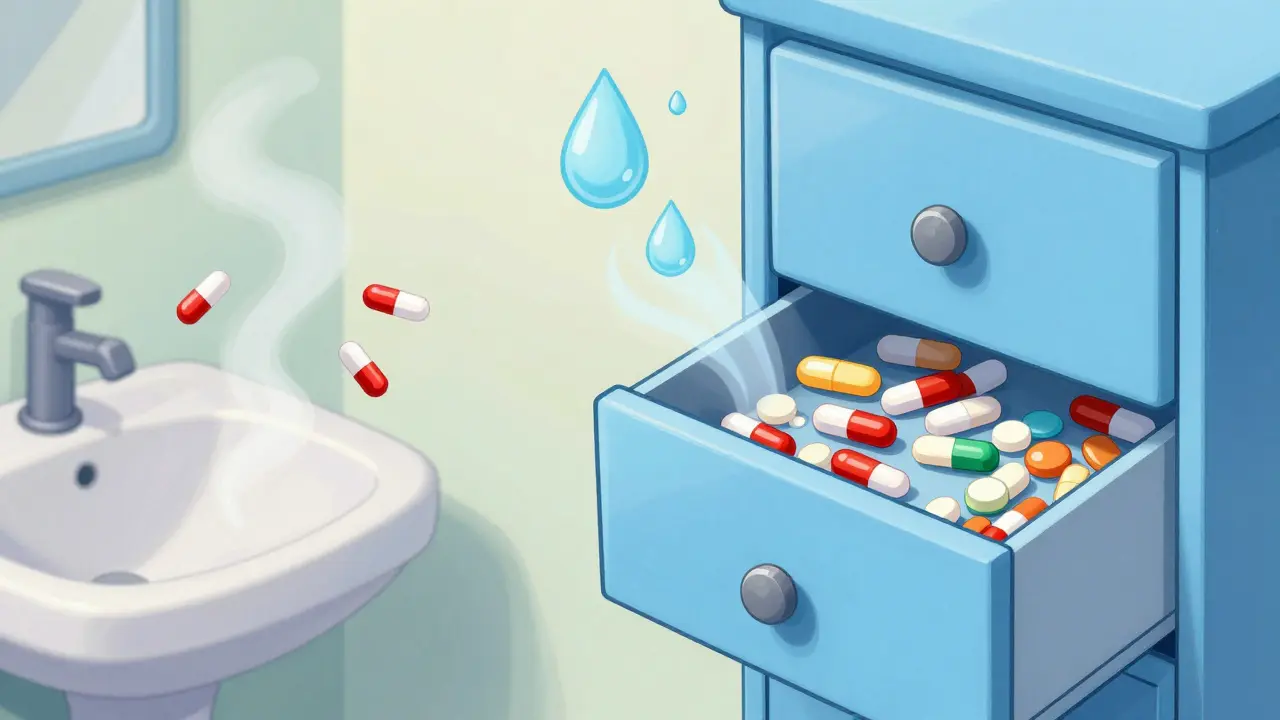
Your home environment often plays a bigger role than the factory date. Most stability tests assume storage at 25°C with 60% humidity. But putting medicine in the bathroom cabinet subjects it to 75-85% humidity during showers. This moisture accelerates chemical breakdown. Heat is equally damaging; keeping meds near a stove or in a hot car increases degradation rates by 40-60%. To maximize safety, keep bottles sealed in their original child-resistant caps away from light and water vapor. Pharmacists typically set "beyond-use" dates at one year for solids dispensed in pharmacies to account for real-world handling, but unopened factory stock follows stricter timelines.
| Risk Level | Medications | Potential Consequence |
|---|---|---|
| High Risk | Insulin, Nitroglycerin, Liquid Antibiotics | Immediate treatment failure or danger |
| Moderate Risk | Antibiotics, Seizure Meds, Warfarin | Reduced efficacy or unpredictable effects |
| Low Risk | Statins, Antidepressants, Solid Pills | Gradual loss of potency over time |
Disposal Guidelines and Environmental Impact
Tossing expired drugs requires care too. Simply flushing them contaminates water supplies unless they are on a specific flush list like fentanyl patches. Better options include National Prescription Drug Take-Back Days or permanent collection boxes in pharmacies. In 2023 alone, nearly a million pounds of unused drugs were collected this way. This prevents children from finding accessible meds and stops chemicals entering ecosystems. If you aren't sure about disposal, ask your pharmacist. They track the best local methods to handle controlled substances safely.
Reading Visible Signs of Degradation
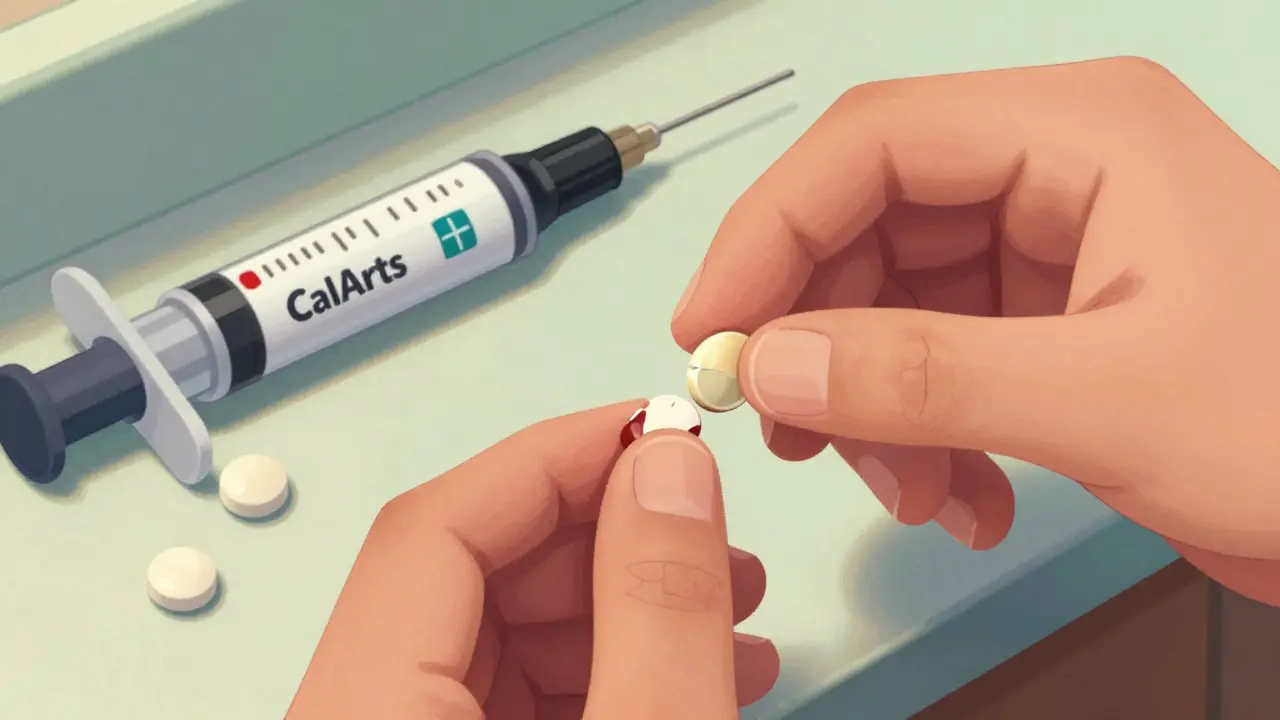
Before even checking the calendar, look at the product itself. Visible changes often signal that the shelf life is gone, regardless of the date. Look for tablets crumbling easily or turning yellow instead of white. Smell the liquid suspension; a foul odor suggests bacterial growth or breakdown. Crystallization in eye drops means the solution has separated permanently. If the physical form changes, do not take it. Manufacturers guarantee purity alongside potency, and visual inspection is a primary tool patients can use to verify safety before swallowing.
The Role of Emerging Technology
New systems are trying to solve the rigid date problem. Smart packaging with time-temperature indicators provides real-time cues about exposure limits. Bluetooth sensors monitor storage history to predict remaining potency dynamically. Some pilots showed a 22% reduction in wasted insulin by adjusting dates based on actual conditions rather than fixed estimates. While these technologies aren't mainstream yet, they point toward a future where we trust data over printed ink.
Is it safe to take aspirin after the expiration date?
Solid aspirin tablets generally remain potent for years if kept dry. However, if it smells like vinegar, salicylic acid has broken down and you should discard it.
Why do antibiotic liquids expire so quickly?
Liquid suspensions provide a breeding ground for bacteria once opened. Most require refrigeration and must be thrown out within 14 days of mixing.
Can I keep expired antibiotics for emergencies?
No. Reduced potency can lead to antibiotic resistance or treatment failure. Medical professionals advise replacing these regularly.
Does storing medicine in the fridge help?
Only if the label specifies refrigeration. Cold condensation when moved to room temperature can damage the tablet coating.
What if my EpiPen is expired during an emergency?
If no other option exists, use it. The partial dose is better than nothing during anaphylaxis, but seek replacement immediately.

Sam Hayes
April 1, 2026 AT 16:10i keep my bottles in the garage where it stays cool most of the year and dont see much change even after two years pass
Rachelle Z
April 3, 2026 AT 05:15Honestly??? You mean to tell me my bathroom cabinet is slowly ruining my pills??? 😱💊🤦♀️ Why did nobody say this sooner!!
Mark Zhang
April 3, 2026 AT 23:42I hear you on that point and it sounds like a really valuable discovery for your routine storage habits.
simran kaur
April 4, 2026 AT 01:30The whole point of expiration dates is just to force consumers to buy new inventory constantly regardless of actual chemical safety metrics.
Brian Shiroma
April 4, 2026 AT 10:16Sure lets just trust the pharmaceutical industry to label accurately instead of checking the physical signs ourselves for real
Branden Prunica
April 5, 2026 AT 10:25I had an episode last month where I thought my insulin was bad but reading this saved me a trip to the hospital! 🚑
Ace Kalagui
April 5, 2026 AT 22:47I found this breakdown of expiration protocols genuinely fascinating regarding how stability testing works overall. It really shows that we throw away so much usable product because of fear rather than facts. My own experience matches the data points mentioned about humidity being the real killer everywhere. I used to keep everything in the bathroom until someone pointed out the shower steam damage specifically. Now I store things in a cool drawer which seems to preserve the integrity much longer for everyone. It is also worth noting that different formulations react differently to environmental stressors quite a bit. Liquids are definitely the worst offenders when it comes to bacterial growth once opened fully. Tablets seem far more resilient provided they stay dry and away from direct sunlight exposure too. We need to educate patients better about what the dates actually signify versus marketing panic tactics. The military study cited here is particularly compelling evidence for extending safe usage windows significantly. I wonder why pharmacies do not implement smarter tracking systems for individual inventory management yet. Perhaps liability concerns prevent us from adopting more flexible dating strategies currently available today. It costs families money to replace perfectly fine stock prematurely under current regulations mostly. Environmental impact is another huge factor often overlooked in these conversations entirely by people. We must push for better education on storage to reduce unnecessary waste across the board globally.
sophia alex
April 7, 2026 AT 06:20American manufacturing standards are superior to other regions so trust the labels printed here always... 🇺🇸 Don't listen to foreign data...
Jenna Carpenter
April 8, 2026 AT 03:52stop takng expired stuff its dangerus.
Dipankar Das
April 9, 2026 AT 13:05It is imperative that individuals understand the strict guidelines before disregarding manufacturer recommendations for personal safety purposes.
Will Baker
April 10, 2026 AT 15:29You probably throw away money thinking about your health when you could be saving it for something more fun later in life.
Dee McDonald
April 12, 2026 AT 15:17Let's take charge of our medicine cabinets today and stop the cycle of waste immediately!
angel sharma
April 13, 2026 AT 08:41Technology is coming to solve this problem with smart packaging so we should all look forward to those days arriving soon
Hope Azzaratta-Rubyhawk
April 14, 2026 AT 07:10We must remain vigilant regarding the condition of our medications while embracing the scientific data presented clearly.
The Charlotte Moms Blog
April 16, 2026 AT 04:35!!Risk factors are significant!! Do not ignore the visual cues!! Safety First!!!