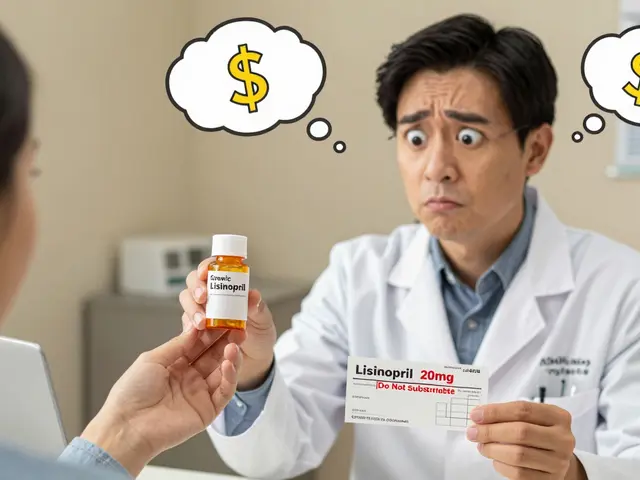
Non-Adherence: Why Patients Skip Medications and How to Fix It
When people don’t take their meds like they’re supposed to, it’s called non-adherence, the failure to follow a prescribed treatment plan, including skipping doses, stopping early, or not filling prescriptions. It’s not laziness or ignorance—it’s often fear, cost, confusion, or side effects that push people away from their own health. This isn’t a rare problem. Half of all patients with chronic conditions like high blood pressure, diabetes, or asthma don’t stick to their treatment. And it’s not just them—it’s the system. Doctors write prescriptions, but patients are left to figure out how to make them work in real life—with jobs, kids, bills, and side effects that feel worse than the disease.
Medication adherence, the opposite of non-adherence, means taking the right drug, at the right dose, at the right time, for the full duration. But in practice, it’s harder than it sounds. A patient might stop taking their blood thinner because they’re scared of bleeding, or skip their diabetes pills because they don’t feel sick yet. Others can’t afford the co-pay, or their pharmacist didn’t explain how to use the inhaler right. Drug compliance, a term often used interchangeably with adherence, focuses on following instructions, but ignores the emotional and economic barriers that make compliance feel impossible. Meanwhile, patient behavior, the real-world choices people make about their health, including whether to refill a prescription or call their doctor about side effects, is shaped by trust, past experiences, and how much control they feel they have. Non-adherence isn’t a patient problem—it’s a communication problem, a design problem, and a pricing problem.
When people skip meds, bad things happen. Hospital visits go up. Complications like strokes, kidney failure, or asthma attacks get worse. In the U.S., non-adherence costs the system over $300 billion a year. But behind those numbers are real people—someone who stopped their statin because it gave them muscle pain, someone who didn’t refill their insulin because they lost their job, someone who didn’t know their pill was supposed to be taken with food. The posts below don’t just list problems—they show you how to spot the signs, understand the reasons, and take action. You’ll find guides on how to talk to your doctor about side effects, how to track your meds without feeling overwhelmed, and how to avoid dangerous interactions that make people quit treatment. Whether you’re managing your own health or helping someone else, this collection gives you the tools to turn non-adherence into real, lasting control.
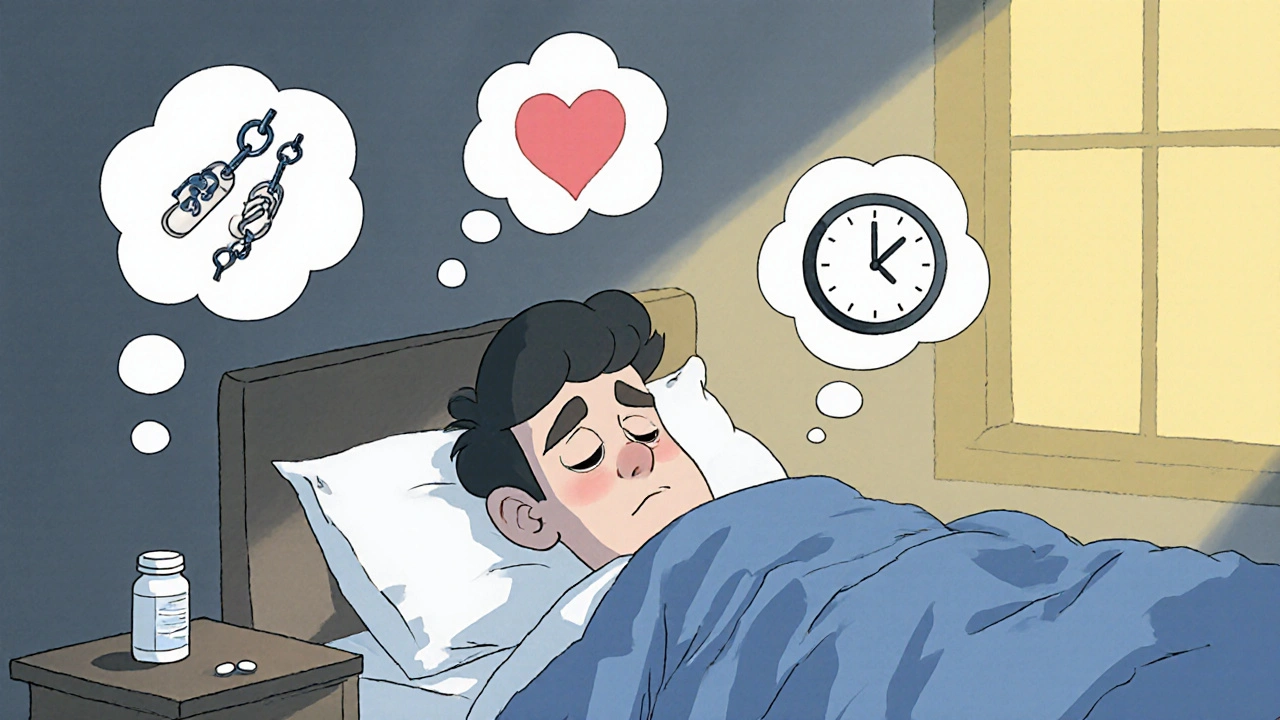
How to Recognize Depression’s Impact on Medication Adherence
Depression makes it harder to take medication-even when it’s life-saving. Learn the signs, tools, and strategies to recognize and address this hidden barrier to treatment.
Recent-posts
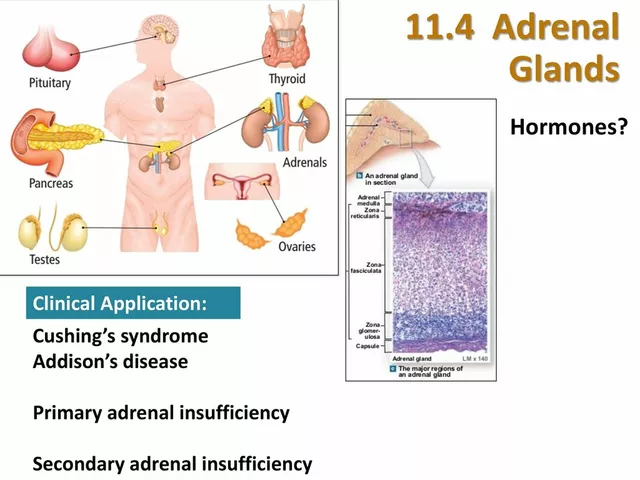
Coping with Pheochromocytoma: Strategies for Reducing Stress
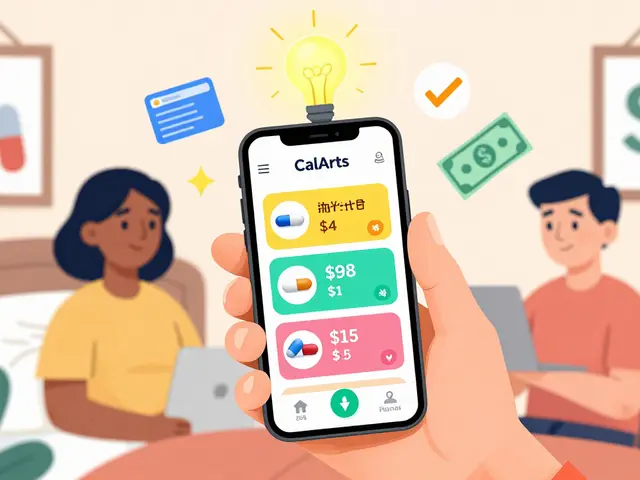
How to Use Price Transparency Tools to Compare Drug Costs
Nutritional Strategies for Managing Anemia in Athletes

Why NorthwestPharmacy Beats Local Chains: Real Perks, Better Service, and Easy Refills