Barcode Scanning in Healthcare: How It Improves Medication Safety and Accuracy
When you see a nurse scan a pill bottle or wristband before giving you medicine, that’s barcode scanning, a system that uses machine-readable codes to verify identity, dosage, and timing of medications. Also known as barcode medication administration, it’s not just a tech gimmick—it’s one of the most effective tools hospitals and pharmacies use to stop deadly mistakes before they happen. Every year, hundreds of thousands of patients are harmed because the wrong drug, dose, or patient gets mixed up. Many of those errors happen because humans are tired, distracted, or overwhelmed. Barcode scanning doesn’t replace judgment—it supports it. It forces a double-check: Is this the right drug? Is this the right patient? Is this the right time? If any part of the chain doesn’t match, the system stops the process. That simple pause saves lives.
Barcode scanning doesn’t work alone. It’s tied to other systems you might not notice but rely on every time you get medicine. It connects with electronic health records, digital systems that store your diagnosis, allergies, and current meds, so the scanner knows what you’re supposed to be taking. It links to pharmacy dispensing systems, the digital tools that prepare and label your prescriptions, ensuring what comes out of the pharmacy matches what’s ordered. And it works with drug databases, real-time libraries that flag dangerous interactions or expired meds. Together, these systems turn a simple scan into a safety net. You don’t need to understand how they talk to each other—you just need to know that when you see that beep, it means someone is making sure you’re safe.
Some people think barcode scanning is only for big hospitals. But it’s spreading fast. Pharmacies use it to verify generic substitutions. Home care nurses scan meds before giving them to elderly patients. Even mail-order pharmacies now include barcodes on blister packs so you can check your own pills at home. The goal isn’t to make things complicated—it’s to make them foolproof. If you’ve ever worried about taking the wrong pill, or wondered if your meds were mixed up, this system was built for that fear. It doesn’t promise perfection, but it cuts errors by over 50% in real-world use. And when you combine it with clear communication—like keeping an updated med list or asking your pharmacist to walk you through your pills—it becomes even stronger. Below, you’ll find real stories and guides from people who’ve seen how this tech works in practice: from avoiding dangerous interactions to catching labeling mistakes before they hurt someone. These aren’t theory pieces. They’re lessons from the front lines of patient safety.
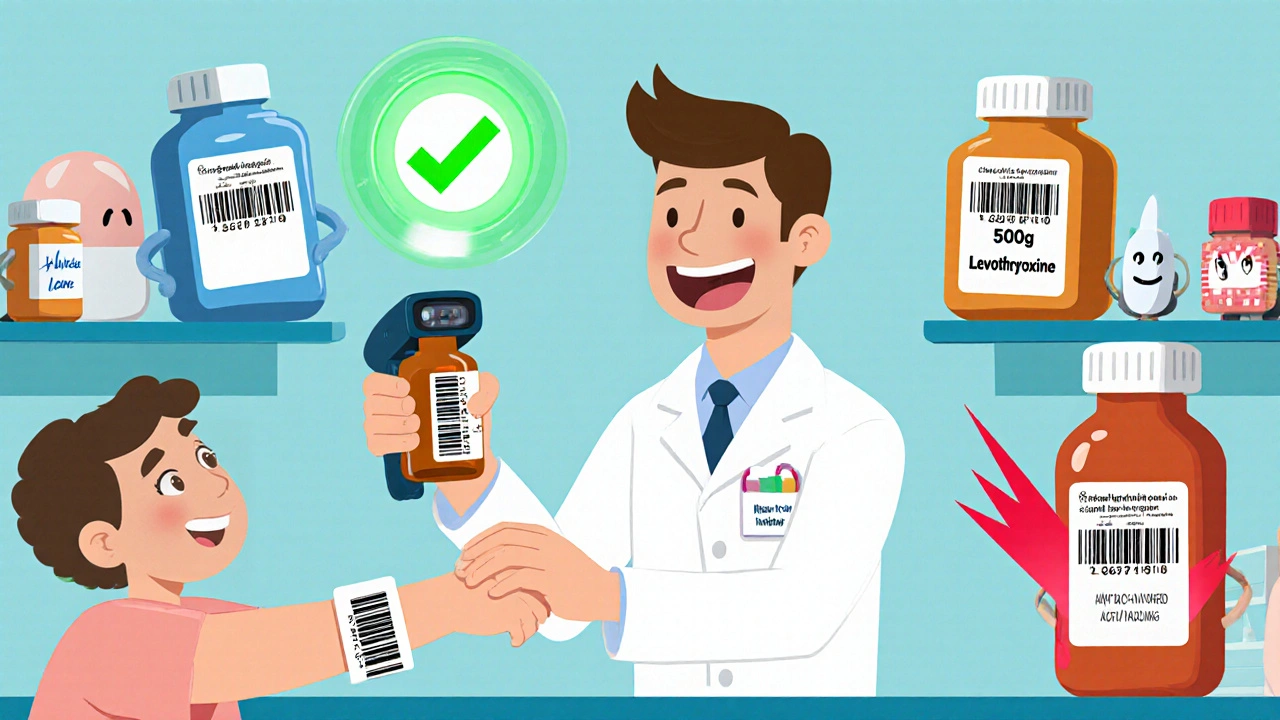
Barcode Scanning in Pharmacies: How It Prevents Dispensing Errors
Barcode scanning in pharmacies prevents deadly medication errors by verifying the right patient, drug, dose, route, and time. Used in 78% of U.S. hospitals, it cuts errors by up to 93%-but only if used correctly.
Recent-posts

Online Pharmacy rxmedicin.com: A Deep Dive into Safe, Fast UK Medication Delivery
Buy Cheap Generic Tylenol Online - Fast Delivery & Low Prices
How to Communicate with Multiple Healthcare Providers About Your Medications
Flomax (Tamsulosin) vs. Alternatives: Key Differences & What to Choose