

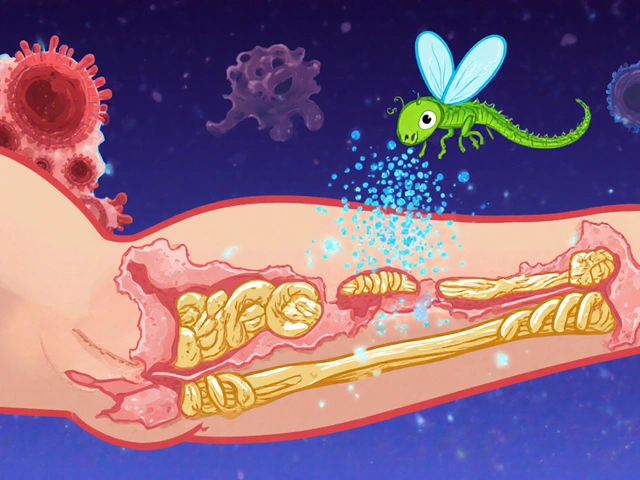
When your immune system turns against your own joints, life changes fast. Rheumatoid arthritis (RA) isn’t just stiff fingers or aching knees-it’s a full-body autoimmune storm. Unlike osteoarthritis, which comes from wear and tear, RA happens because your body’s defense system mistakes healthy joint tissue for an invader. It attacks the synovium, the thin lining inside your joints, triggering inflammation, pain, and eventually, permanent damage. This isn’t something that goes away with rest. It’s chronic. And without the right treatment, it can steal your ability to hold a cup, open a jar, or even walk without pain.
How Rheumatoid Arthritis Really Works
RA doesn’t start with a bang. It creeps in. You might notice your hands feel stiff in the morning-so stiff it takes 45 minutes or more to loosen up. That’s a red flag. Unlike normal stiffness from sitting too long, RA morning stiffness lingers. It’s not just discomfort; it’s your immune system firing on all cylinders. The inflammation doesn’t stop at the joints. It can spread to your lungs, your heart, even your eyes. About 10-15% of people with RA also develop Sjögren’s syndrome, where dry eyes and a parched mouth become daily struggles.
The disease usually hits symmetrically. If your left wrist hurts, your right one will too. It often begins in the small joints-fingers, toes-before moving to larger ones like elbows and knees. Blood tests help confirm it: rheumatoid factor (RF) and anti-CCP antibodies show up in most cases. But even if those tests are negative, joint swelling and persistent symptoms over six weeks can still mean RA. X-rays and ultrasounds track the damage: early on, soft tissue swells; later, bone erosion appears, and joint space narrows as cartilage disappears.
Women are two to three times more likely to get RA than men, and it most often shows up between ages 30 and 60. But it can strike at any age. Genetics play a role-certain HLA gene variants raise your risk-but environment matters too. Smoking, exposure to silica dust, and even certain infections can trigger the disease in people who are genetically vulnerable.
Why Early Treatment Is Non-Negotiable
There’s a narrow window-just three to six months after symptoms start-where you can stop RA from wrecking your joints. After that, damage becomes permanent. That’s why experts call it the "window of opportunity." If you wait too long to treat it, you’re not just managing pain-you’re accepting disability.
The goal isn’t just to feel better. It’s to reach remission or low disease activity. That means no more swelling, no more fatigue, no more joint destruction. The American College of Rheumatology calls this the "treat-to-target" approach. Doctors check your disease activity every few months with blood tests and physical exams. If you’re not improving, they change the plan. No waiting. No hoping it gets better on its own.
Studies show that people who start aggressive treatment early are far more likely to keep working, driving, and doing the things they love. One patient, Sarah K., 42, stopped playing piano for five years because her hands were too deformed. After starting tocilizumab in 2022, she regained enough mobility to play again. That’s not rare. It’s the result of timely intervention.
Biologic Therapies: Targeting the Immune System
For decades, methotrexate was the only real weapon against RA. It’s cheap, effective, and still the first-line treatment for most people. But for about half of patients, methotrexate alone isn’t enough. That’s where biologics come in.
Biologic therapies are precision tools. Instead of broadly suppressing your immune system like older drugs, they zero in on specific troublemakers. Think of them as snipers instead of bombs.
- TNF inhibitors (like adalimumab, etanercept, infliximab) block tumor necrosis factor, a key inflammatory protein. These were the first biologics approved-in 1998-and still make up over half of all biologic prescriptions.
- IL-6 inhibitors (like tocilizumab) stop interleukin-6, another major driver of inflammation and joint damage.
- B-cell inhibitors (like rituximab) deplete B-cells, the immune cells that produce harmful antibodies.
- T-cell costimulation blockers (like abatacept) interrupt the signal that tells T-cells to attack joints.
When combined with methotrexate, biologics reduce disease activity by 50% or more in about 60% of patients. That’s a big jump from methotrexate alone, which helps about 40%. For many, it means going from barely getting out of bed to walking the dog, cooking dinner, or holding a grandchild.

The Real Cost-Money, Side Effects, and Daily Life
Biologics aren’t magic. They come with real trade-offs.
First, the price. Annual treatment costs range from $15,000 to $60,000. Even with insurance, co-pays can hit $500 a month. A 2023 Arthritis Foundation survey found 41% of patients skipped doses or delayed refills because of cost. That’s not just inconvenient-it’s dangerous. Stopping biologics can cause flares that are harder to control.
Second, the risks. Biologics weaken your immune system’s ability to fight infections. You’re 1.5 to 2 times more likely to get serious infections like pneumonia or tuberculosis. That’s why everyone gets a TB test before starting. You also need to avoid live vaccines and report fevers or coughs right away.
Some people develop injection site reactions-redness, itching, swelling. Others feel fatigued or get headaches. Rarely, there’s a small increased risk of lymphoma. The FDA requires all biologics to have a Risk Evaluation and Mitigation Strategy (REMS) program. That means your doctor has to educate you on the risks before prescribing.
On Drugs.com, Humira (adalimumab) has a 6.5 out of 10 rating. Nearly half of users say it helped a lot. But a third report injection problems. It’s not perfect-but for many, it’s life-changing.
New Hope on the Horizon
The RA treatment landscape is changing fast. In September 2023, the FDA approved the first biosimilar to adalimumab-adalimumab-adaz. Biosimilars are nearly identical to the original drug but cost 15-20% less. That’s a big deal for patients struggling with bills.
In January 2024, upadacitinib (Rinvoq) got expanded approval for early RA. It’s a JAK inhibitor-a newer class of drugs that work inside cells, not just on the surface. It’s taken as a pill, not an injection, which some patients prefer.
Looking ahead, drugs like deucravacitinib (a TYK2 inhibitor) are in late-stage trials. They promise similar effectiveness with fewer side effects. Researchers are also working on blood tests that can predict who will respond to methotrexate or biologics. One 2023 study using genetic markers predicted treatment success with 85% accuracy. That could mean less trial and error, and faster relief.

Living With RA: Beyond the Medicine
Medication is only part of the story. Managing RA means building a daily routine that supports your body.
- Movement matters. The CDC recommends 150 minutes of moderate exercise a week-walking, swimming, cycling. It reduces pain, improves joint function, and helps control weight.
- Weight loss helps. Losing just 5-10% of your body weight can cut disease activity by 20-30% in overweight patients.
- Rest isn’t laziness. During flares, your body needs recovery. Balance activity with quiet time.
- Support networks work. The Arthritis Foundation’s Live Yes! Arthritis Network has over 100,000 members. Online communities like Reddit’s r/rheumatoidarthritis (28,500 members) offer real talk about side effects, insurance battles, and how to cope with invisible symptoms.
- Apps like MyRA help track symptoms, meds, and doctor visits. Downloaded over 250,000 times, it’s a simple tool that helps people stay on top of their care.
Self-management takes time. Most people need 6 to 12 months to get comfortable with monitoring flares, recognizing triggers, and sticking to their treatment plan. Don’t get discouraged if it feels overwhelming at first. You’re not failing-you’re learning.
What’s Next for RA Patients?
By 2030, the number of Americans with RA is expected to rise from 1.3 million to 1.7 million. Rural patients are already 30% less likely to get biologics than those in cities. Access isn’t equal. But progress is happening.
With earlier diagnosis, better drugs, biosimilars lowering costs, and personalized treatment on the horizon, the future for RA patients is brighter than ever. The goal isn’t just survival-it’s living well. No more waking up in pain. No more giving up hobbies. No more letting RA decide what you can do.
You don’t have to accept that life. There are tools. There are options. And with the right care, you can take your life back.
Is rheumatoid arthritis the same as osteoarthritis?
No. Osteoarthritis is caused by wear and tear on joints over time-it’s mechanical. Rheumatoid arthritis is autoimmune. Your immune system attacks your joints, causing inflammation that damages cartilage and bone. RA often affects small joints symmetrically and comes with systemic symptoms like fatigue and fever. Osteoarthritis usually affects weight-bearing joints like knees and hips, and symptoms worsen with activity, not improve.
Can biologic therapies cure rheumatoid arthritis?
No, biologics don’t cure RA. But they can put it into remission-meaning symptoms disappear and joint damage stops. Many people on biologics live without pain or swelling for years. If you stop taking them, symptoms often return. That’s why treatment is usually lifelong, even when you feel fine.
How long does it take for biologics to work?
It varies. Some people notice less swelling and pain in 2-4 weeks. For others, it takes 3-6 months to see full benefits. Unlike painkillers that work fast, biologics work by slowly calming your immune system. Patience is key. Your doctor will monitor your progress with blood tests and physical exams to see if it’s working.
Are there alternatives to biologic injections?
Yes. JAK inhibitors like upadacitinib and tofacitinib are taken as pills and work similarly to biologics. They’re often used when injections aren’t preferred or when biologics don’t work well. There are also newer biosimilars-copies of biologics-that come in injection form but cost less. Your doctor can help you choose based on your lifestyle, insurance, and how your body responds.
Can I stop taking biologics if I feel better?
Don’t stop without talking to your doctor. Even if you feel great, stopping biologics can cause your RA to flare back-sometimes worse than before. In rare cases, doctors may try to taper the dose after long-term remission, but that’s carefully monitored. Most people stay on treatment indefinitely to keep the disease under control.
Do biologics increase the risk of cancer?
There’s a small increased risk of certain cancers, especially lymphoma, but the absolute risk remains low. The same is true for RA itself-chronic inflammation raises cancer risk too. The benefit of preventing joint damage and disability usually outweighs this small risk. Your doctor will screen you for infections and monitor you regularly. Never skip check-ups.
What should I do if my biologic stops working?
This is called secondary failure. It happens in about 20-30% of patients over time. Your doctor will check your disease activity and may switch you to a different biologic or add another drug like a JAK inhibitor. Sometimes, combining treatments helps. Don’t wait until you’re in severe pain-talk to your rheumatologist early if symptoms return.



Betty Bomber
January 27, 2026 AT 05:42Sally Dalton
January 28, 2026 AT 00:25Angie Thompson
January 28, 2026 AT 18:24Curtis Younker
January 30, 2026 AT 09:55Shawn Raja
January 30, 2026 AT 12:48Ryan W
January 31, 2026 AT 04:07Henry Jenkins
February 2, 2026 AT 02:46Napoleon Huere
February 3, 2026 AT 14:37Shweta Deshpande
February 4, 2026 AT 17:28Aishah Bango
February 4, 2026 AT 23:54Jessica Knuteson
February 5, 2026 AT 14:56Robin Van Emous
February 5, 2026 AT 19:06rasna saha
February 6, 2026 AT 04:44James Nicoll
February 7, 2026 AT 18:44