Geriatric Medication Risk Checker
Select a medication class to understand the specific risks for older adults
Medication Classes
Please select a medication class from the list to see the age-related sensitivity and risks.
Imagine a medication that works perfectly for a 40-year-old but causes a 75-year-old to become suddenly confused or lose their balance. It isn't that the drug changed; it's that the human body changed. For older adults, the way the body processes medicine shifts dramatically, turning a standard dose into a potential hazard. In fact, older adults are more than twice as likely to suffer from medication side effects compared to younger people, with adverse drug reactions appearing in at least 15% of patients across hospitals and care facilities.
The goal isn't to stop older adults from taking medicine-vaccines, blood pressure meds, and diabetes treatments save countless lives. Instead, the goal is to understand medication side effects in elderly patients so we can keep the benefits while cutting out the risks. When we talk about "sensitivity," we're really talking about how a changing body handles chemistry.
Why Aging Changes How Medicine Works
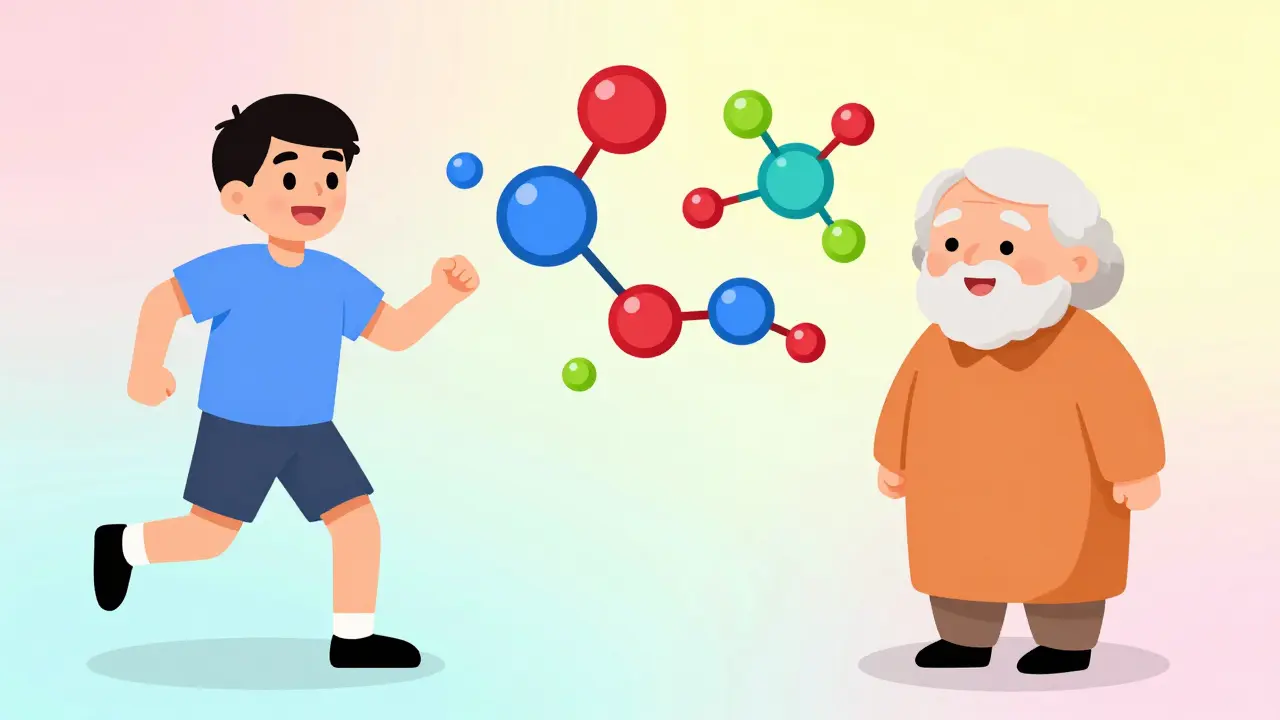
As we age, our internal organs don't just slow down; they change their physical composition. These shifts affect pharmacokinetics (how the body moves the drug) and pharmacodynamics (how the drug affects the body). For example, Liver is the primary organ for drug metabolism. In adults between 25 and 75, hepatic blood flow drops by about 30-40%. If the liver can't get the drug efficiently, the medicine stays in the system longer.
The kidneys face a similar struggle. The glomerular filtration rate-basically the kidneys' cleaning speed-drops by about 0.8 mL/min per year after age 40. When the kidneys can't flush out waste, drugs build up in the bloodstream. Then there's the matter of body composition. By age 70, body fat often increases to 35-40%, while lean muscle mass drops. Since some drugs hide in fat and others prefer muscle, the distribution of the medicine changes completely.
Take benzodiazepines like Diazepam. In a younger person, it might leave the system in a day or two. In an older adult, the half-life can extend to several days. This leads to a "stacking" effect where the drug builds up, causing prolonged sedation and a much higher risk of dangerous falls.
The Danger of Polypharmacy and Multimorbidity
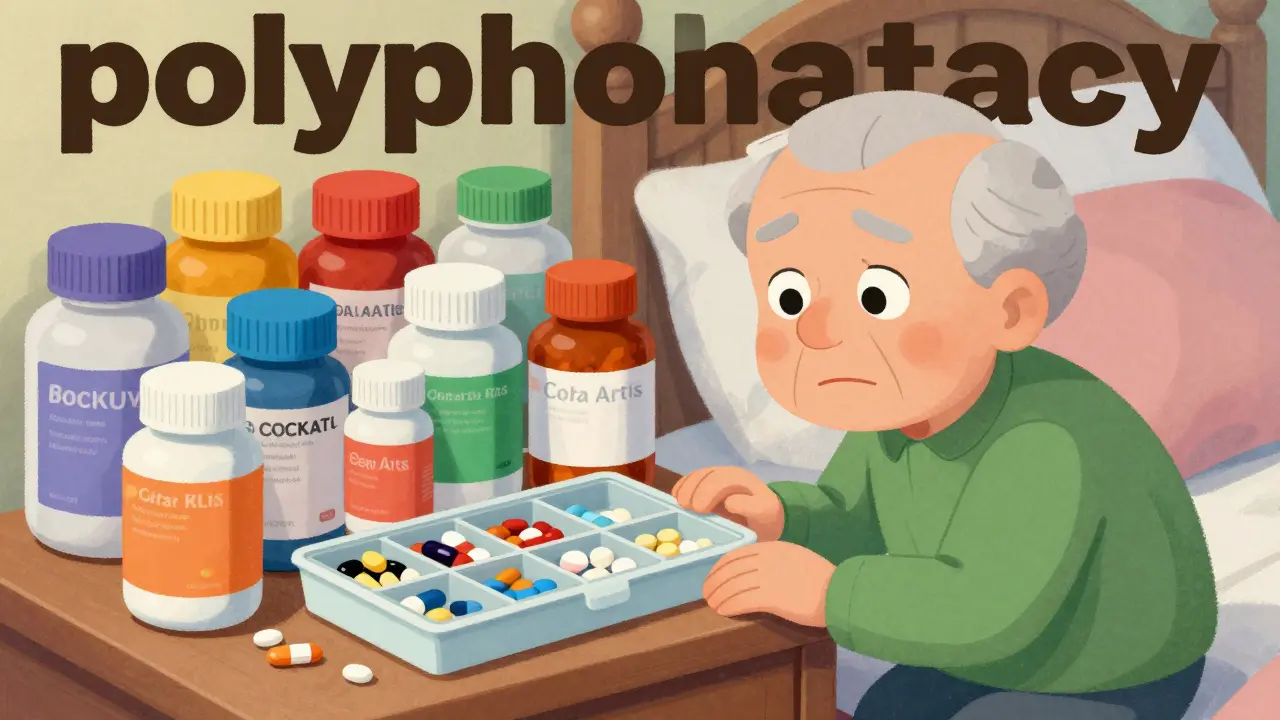
One pill is manageable. Five or more is a different story. This is called Polypharmacy, and it's one of the biggest red flags in geriatric care. When a patient has Multimorbidity (multiple chronic conditions), they often end up on a cocktail of drugs that don't play well together.
The risk isn't just about the number of pills, but how they interact. A classic example is the combination of corticosteroids and NSAIDs (nonsteroidal anti-inflammatory drugs). Taking both can increase the risk of peptic ulcer disease by 15 times. Similarly, mixing oral anticoagulants with NSAIDs can lead to severe internal bleeding, often resulting in emergency hospitalization for patients over 65.
| Medication/Class | Potential Risk in Elderly | Specific Concern |
|---|---|---|
| Pentazocine | CNS Side Effects | Confusion and hallucinations |
| Indomethacin | Neurological Impact | Highest CNS effect rate among NSAIDs |
| SSRIs | Physical Stability | Increased risk of falls and fractures |
| Glyburide | Blood Sugar | Severe hypoglycemia risk |
| AChE Inhibitors | Heart Rate | Bradycardia risk in patients with syncope |
Spotting the Signs: It's Not Always a Rash
In younger patients, a drug reaction is often obvious: a skin rash, nausea, or a stomach ache. In older adults, the symptoms are far more subtle and "non-specific." This is why so many side effects are missed or mistaken for "just getting old."
If a senior suddenly becomes confused, develops a headache, or starts feeling dizzy, it might not be dementia or a stroke-it could be a medication reaction. About 20-30% of falls in older adults are directly linked to medication side effects. When a patient presents with unexplained weight loss, memory gaps, or a sudden change in cognitive function, the first question should always be: "What are they taking?"
Clinical Tools for Safer Prescribing
To fight these risks, doctors use specific guidelines to decide which drugs are too risky for older bodies. The most famous is the Beers Criteria. Created by Dr. Mark Beers and updated by the American Geriatrics Society, this list identifies "potentially inappropriate medications" for seniors.
While the Beers Criteria is the gold standard, it's not perfect. Some critics argue it doesn't focus enough on specific drug-drug interactions and can sometimes lead to "deprescribing" a drug that a specific patient actually needs. Because of this, some clinicians use the STOPP/START Criteria, which looks at both what to stop and what essential treatments might be missing (omissions).
The real secret to safety is a multidimensional approach. It's not just about checking a list; it's about looking at the patient's frailty, their ability to actually swallow the pills, and whether they have the cognitive function to remember the dosage. A pharmacist is often the most valuable member of this team, as they can spot a cytochrome P-450 interaction that a general practitioner might miss.
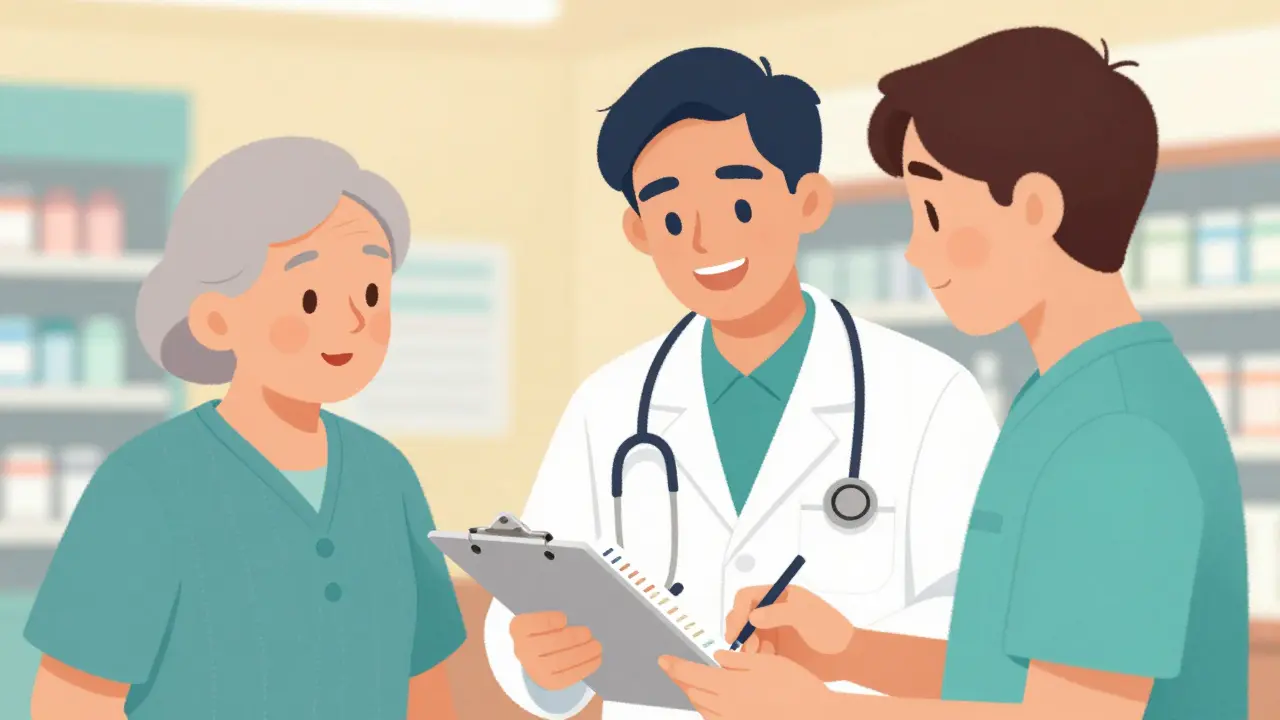
Practical Steps for Patients and Caregivers
Preventing an adverse drug reaction often comes down to organization and communication. If you are caring for an older loved one, the most important tool you can have is a comprehensive, updated medication list. This shouldn't just be prescriptions. It must include:
- Over-the-counter painkillers or cold meds
- Daily vitamins and minerals
- Herbal supplements (which can drastically change how prescription drugs work)
- Prescription medications and their exact dosages
During every doctor's visit, this list should be reviewed. Don't be afraid to ask, "Is this medication still necessary?" or "Is there a safer alternative for someone my age?" Be particularly vigilant about"geriatric syndromes" like orthostatic hypotension (a sudden drop in blood pressure when standing up), which can be worsened by certain antihypertensives and lead to dangerous falls.
Why are older adults more sensitive to medications?
It's primarily due to physiological changes. Reduced liver blood flow and declining kidney function mean drugs aren't broken down or excreted as quickly, leading to higher concentrations in the blood. Additionally, an increase in body fat and a decrease in lean muscle change how drugs are distributed throughout the body.
What is polypharmacy and why is it dangerous?
Polypharmacy is the concurrent use of five or more medications. It increases the risk of adverse drug reactions because the likelihood of a drug-drug interaction rises exponentially. Some combinations can be severe, such as using NSAIDs and corticosteroids together, which significantly increases the risk of stomach ulcers.
What are the Beers Criteria?
The Beers Criteria is a clinically recognized list of medications that are generally considered potentially inappropriate for older adults. It helps healthcare providers identify drugs that are more likely to cause harm than benefit in the geriatric population, though they are used as a guide rather than a strict rule.
How can I tell if a medication is causing confusion in an elderly person?
Look for "non-specific" symptoms. Instead of a rash, you might see sudden dizziness, a tendency to fall, or a change in memory and cognitive function. If these symptoms appear shortly after starting a new medication or changing a dose, it is highly likely to be a side effect.
Is it safe to stop medications if they cause side effects?
Never stop a prescribed medication without consulting a healthcare provider. Some drugs require a gradual "tapering" process to avoid dangerous withdrawal symptoms. Instead, work with a doctor on a "deprescribing" plan to safely reduce unnecessary meds while keeping essential ones.
Next Steps for Better Safety
Depending on your role, your approach to medication safety will differ. If you are a caregiver, start by auditing every bottle in the medicine cabinet and creating that master list. If you are a patient, track your symptoms in a journal for two weeks and bring it to your next appointment to see if any patterns align with your dosing schedule. For healthcare providers, the move toward personalized medicine and pharmacogenomics (studying how genes affect drug response) is the future, but in the meantime, a thorough medication review at every single encounter remains the best defense against preventable hospitalizations.