
The Hidden Power of Perception
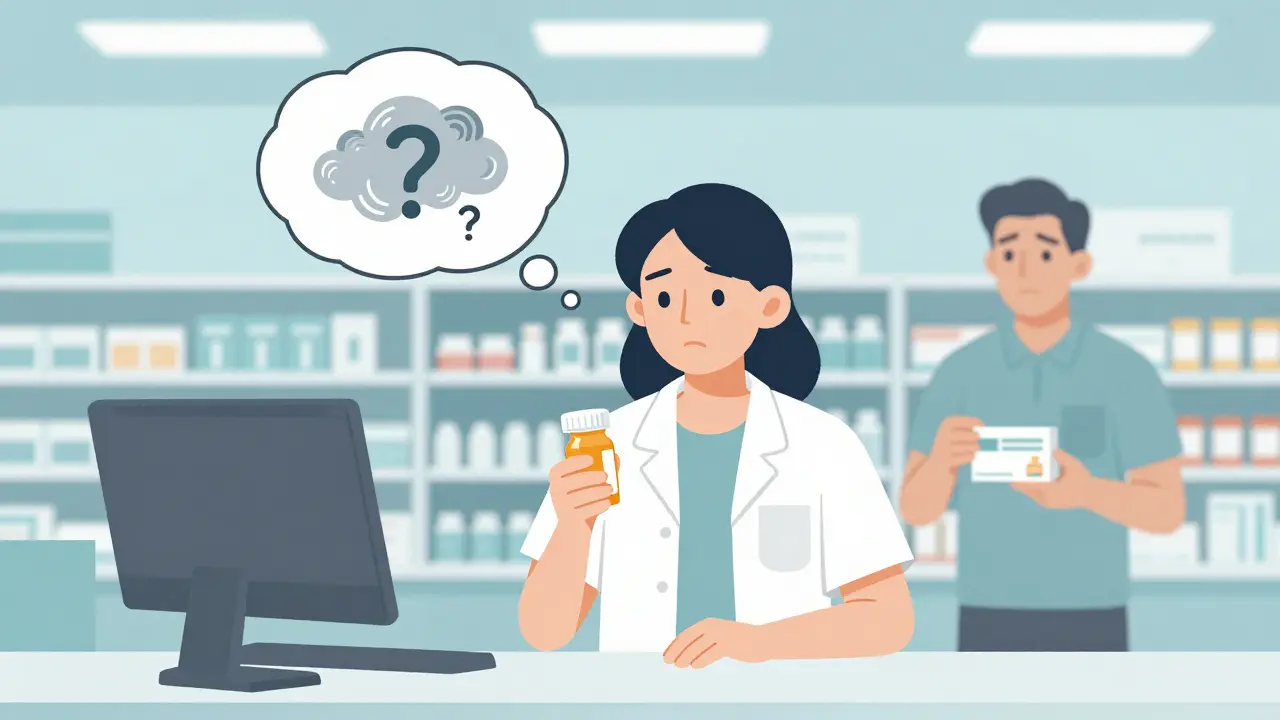
You've probably heard patients say things like "This generic doesn't work the same way" after switching medications. What they're describing isn't just skepticism-it's the Nocebo Effect a phenomenon where negative expectations trigger real physical symptoms. A 2025 study revealed that simply being told you're taking a generic version makes side effects 36% more likely than with branded versions, even when pills contain identical ingredients.
Why do patients distrust generics? Price differences, unfamiliar packaging, and media stories about "failed switches" create mental shortcuts our brains take. When your body expects harm, it often delivers harm-even with sugar pills. This isn't about chemical quality but psychological programming. Understanding this mechanism is your first step toward better outcomes.
| Factor | Brand Medication | Generic Version |
|---|---|---|
| Patient Expectation | "Proven formula" mindset | "Cut-cost alternative" assumption |
| Packaging | Distinctive color/design | Plain label with complex names |
| Cost Visibility | Hidden in insurance | $4 copay vs $80 original |
| Provider Language | Tone implies reliability | Often sounds reluctant during switch |
The Science Behind Belief-Driven Symptoms
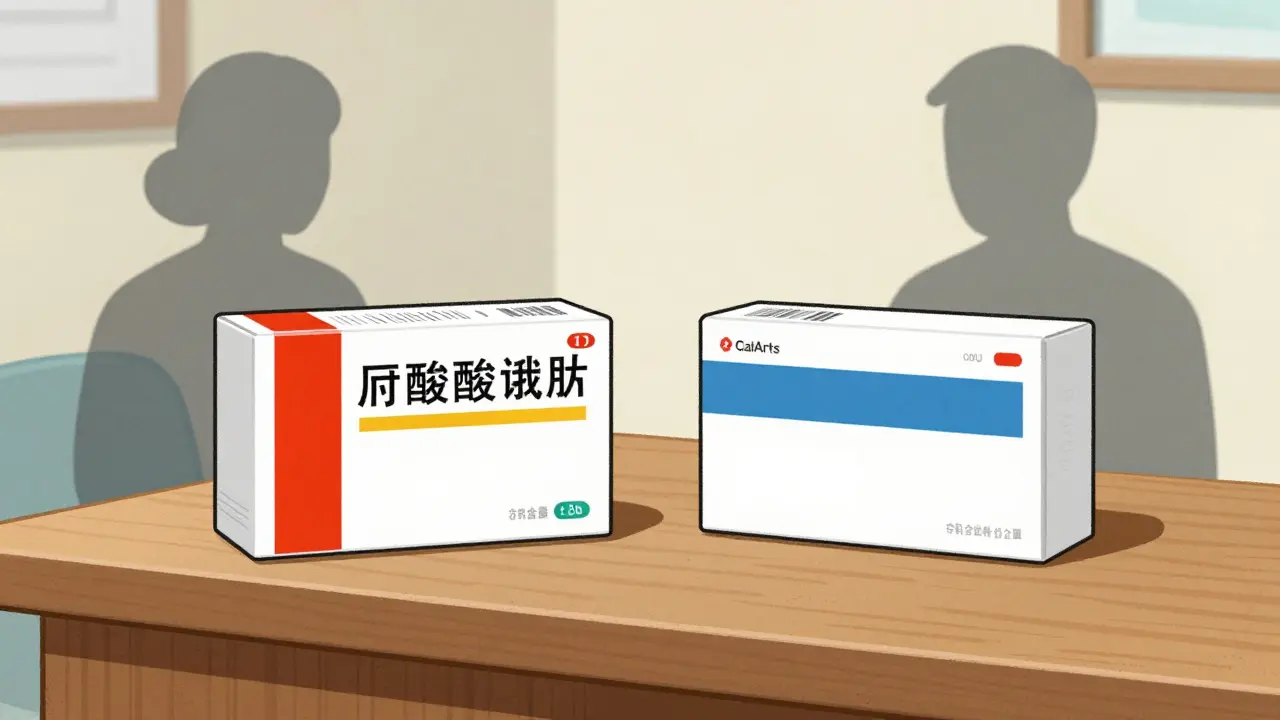
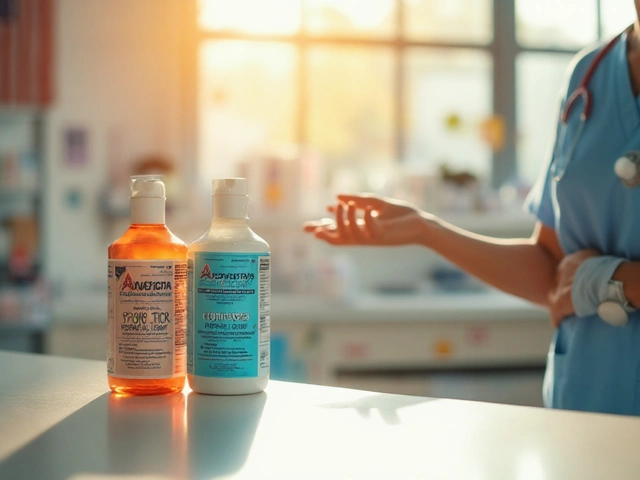
Your nervous system doesn't distinguish between anticipated pain and real pain. When patients expect issues with generics, their brains amplify normal sensations into "side effects." Remember that 2024 itch cream study? Participants rated fake branded products as more effective despite identical contents. The blue box created higher expectations; the orange one triggered nocebo responses.
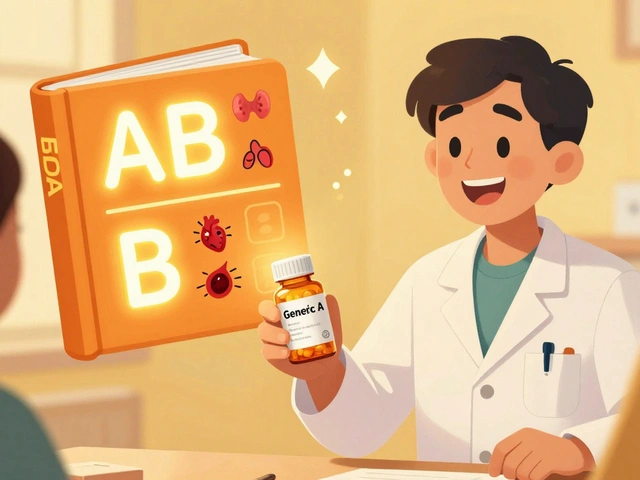
Bioequivalence, meanwhile, means generics perform identically within strict margins: blood absorption levels must fall between 80-125% of the original drug's range. Yet when patients see unfamiliar pill colors or shapes, they mentally downgrade the medication's legitimacy. Your brain fills gaps with negative assumptions-this is evolutionary wiring that saved ancestors from poisons, now misfiring with safe medicines.
Clinician Communication Tactics That Work
Instead of listing possible side effects like a robot reading legal text, try this script: "Your doctor chose this medicine because studies show patients feel equally well on either version. The difference? You'll save $300 monthly while treating the same condition." Frame cost savings as bonus benefits rather than compromises.
- Validate concerns: "It's normal to worry about changes" before sharing facts
- Use positive phrasing: "Most patients adjust smoothly" beats "You might experience..."
- Show evidence: Display package labels proving identical active ingredients
- Schedule follow-ups to monitor transition adjustments proactively
What works best? Kaiser Permanente's pre-switch counseling reduced adverse event reports by 40%. Their secret? They tell patients "This contains the exact same chemical formula as your previous prescription" while displaying manufacturer documentation together.

Addressing Packaging Psychology
That 2024 Science study found participants who received an expensive-looking box reported more pain sensitivity from the fake product than those with plain packaging. Even though regulators forbid misleading designs, subtle visual cues matter. Some pharmacies now use neutral-colored blister packs to minimize aesthetic comparisons between brands and generics.
FDA Oversight the agency requiring proof of identical absorption rates validates that 9 out of 10 prescriptions meet these standards. Yet when patients receive a differently shaped tablet, doubt creeps in regardless of chemistry. One approach gaining traction: offering both options initially during transition periods to ease psychological barriers.
Long-Term Strategy: Building Trust Systems
Hospitals implementing standardized education materials saw 30% fewer complaints about generic switches. These packets explain:
- How regulatory approval requires identical performance testing
- Why different appearance doesn't equal inferior quality
- Success statistics showing comparable health outcomes
- Contact information for direct questions
Red flag: Never dismiss concerns as "just anxiety." Acknowledge feelings first, then educate. Research shows dismissed patients develop stronger negative biases later. The 2023 PLOS Medicine trial confirmed this-even identical drugs caused more side effect reports when patients felt unheard during switches.
Will switching to a generic really change how I feel?
Chemical composition remains identical due to bioequivalence requirements. Most reported changes come from expectation-driven responses. If you notice shifts in symptom control after switching, discuss timing carefully-some conditions naturally fluctuate alongside treatment adjustments.
How do I know my generic meets standards?
FDA-approved generics undergo rigorous comparison testing showing consistent blood concentration patterns. Look for manufacturer details printed on bottles. Ask your pharmacist to show official certification documents-they're legally required to maintain records.
Should I stick with brand names despite higher costs?
Only if clinical results consistently support this decision. Many patients benefit financially from generics without sacrificing efficacy. Track your own symptom logs objectively over two weeks before concluding differences exist.
Can packaging design influence effectiveness?
Visual presentation shapes expectations significantly. Studies confirm distinct color schemes increase confidence in treatment success. However, inactive components like dyes never alter therapeutic performance in approved formulations.
What questions should I ask my pharmacist?
Ask whether the generic contains the exact same active compound as your previous prescription. Request information about any formulation differences. Follow-up inquiries should focus on observed changes in tolerance rather than theoretical risks.


Jonathan Sanders
March 30, 2026 AT 00:09So the pill isn't the issue but your head is apparently broken when you see a cheap label. How convenient for the wallet that the problem is entirely psychological.
emma ruth rodriguez
March 30, 2026 AT 14:31This research highlights the critical nature of patient expectation management in modern clinical practice. It demonstrates that bioequivalence is insufficient when perception remains negative; therefore, communication strategies require immediate adjustment by providers.
Rick Jackson
April 1, 2026 AT 03:31Belief shapes reality more than chemistry ever could.
Beccy Smart
April 1, 2026 AT 15:40Saving money on drugs is supposed to be good but suddenly everyone is hypochondriac 😒💊 The industry keeps us scared so we buy more 🛑
Carolyn Kask
April 2, 2026 AT 12:16We built the best healthcare system in history yet you complain about the packaging colors now?
sanatan kaushik
April 4, 2026 AT 10:04Doctors talk too much about cost and not enough about the actual cure rate. Patients just want the sickness to go away fast.
Katie Riston
April 6, 2026 AT 06:54It is fascinating how much psychology plays a role here in our daily lives. Many people forget that health is mental too and not just physical organs. We spend so much money on pills every single month at the pharmacy. Yet we ignore the mind completely during these consultations. Studies show expectations change blood pressure significantly without new chemicals. This isn't fake pain either when you feel terrible. It is real physical response to thoughts and fear in the body. History has many examples of placebo working too in ancient times. The reverse happens often with generics causing fear easily. Companies want to protect their profits obviously by keeping brands alive. But patients deserve the truth really about what works. Misunderstanding creates unnecessary stress for the family member. Stress hurts health directly and lowers immunity overall. We should educate better on this topic before prescribing. Communication changes everything in clinics and hospitals nationwide. Doctors must speak clearly now to build real trust.
Brian Yap
April 8, 2026 AT 00:44Yeah mate, heard this plenty in the shop when customers come in worried about the swap.
Ruth Wambui
April 9, 2026 AT 09:32Big Pharma wants you thinking chemicals are magic but maybe it is control disguised as science.
Michael Kinkoph
April 9, 2026 AT 14:34One must understand; the nuances, are complex; indeed, the regulatory oversight remains robust, yet perception lags behind.
Jonathan Alexander
April 11, 2026 AT 09:35It is devastating to realize we cannot trust our own bodies sometimes when the color changes.
Debbie Fradin
April 11, 2026 AT 13:09Great news so we feel bad for thinking we feel bad which is actually progress.
Charles Rogers
April 12, 2026 AT 22:19Wisdom lies in acceptance of the process and faith in the science rather than the packaging.