

Throwing away medicine costs money, but keeping it past its date risks patient safety. This balance is the daily struggle for clinics and pharmacies everywhere. We are talking about billions of pounds lost annually to expired drugs that could have been used. The goal isn't just to save cash; it is about ensuring the right treatment reaches the right person at the right time. Medication Waste Prevention is a systematic approach to minimizing discarded pharmaceuticals while maintaining strict safety standards. It involves tracking, storage, and smart ordering habits. By 2026, the pressure to reduce this waste has only grown as healthcare budgets tighten and environmental concerns rise.
Many people assume an expiration date is a hard stop where the drug suddenly becomes poison. That is not quite true. Stability data often shows medications remain effective beyond the printed date, but relying on this is risky without specific testing. The printed date is the manufacturer's guarantee of full potency and safety under specific storage conditions. When those conditions change, the clock speeds up. Understanding this distinction is the first step in managing your inventory without unnecessary panic.
Understanding Expiration Dates and Stability
When you look at a bottle of pills, the date you see is based on ideal storage. If a drug sits in a hot car or a damp cupboard, it degrades faster than the label suggests. This is why tracking the date is only half the battle. You must also track the environment. Research from 2023 indicates that improper storage is a leading cause of waste, often costing small facilities thousands in avoidable losses.
Some medications, like liquid antibiotics or insulin, are particularly sensitive. Once opened, their clock starts ticking differently than when they are sealed. A sealed vial might last three years, but once punctured, it could expire in 28 days. Knowing the difference between the "sealed" date and the "in-use" date is critical. Always check the package insert for specific reconstitution timelines. Ignoring these details leads to throwing away half-used bottles that were perfectly safe if used within the correct window.
Mastering Storage and Temperature Control
Temperature is the silent killer of medication inventory. Most drugs need a stable room temperature, but many require refrigeration. Refrigerated Medications are pharmaceuticals that require consistent storage between 2-8°C to maintain potency. If the fridge warms up even slightly for a few hours, the drug might fail quality checks and must be discarded.
Room temperature drugs need to stay between 20-25°C. Fluctuations here are common in older buildings or during summer heatwaves. You need a thermometer in every storage area. Digital loggers are better than analog ones because they record the history, not just the current moment. If you discover a temperature excursion, you have to act fast. Contact the manufacturer or a quality assurance expert to determine if the drug is still viable. Guessing costs more than the drug itself.
Light and humidity also play roles. Some vitamins degrade in sunlight, so keep them in dark cabinets. Humidity can turn tablets into powder or cause capsules to stick. Desiccants in the storage bins help, but they need replacing regularly. A simple checklist for your storage room should include checking seals, temperature logs, and humidity levels weekly.
Implementing a First-In-First-Out System
The most effective manual method for reducing waste is the FIFO system. FIFO System is an inventory rotation method where the oldest stock is used before newer stock. It sounds simple, but it requires discipline. When you receive a new shipment, it goes to the back of the shelf. The old stock moves to the front.
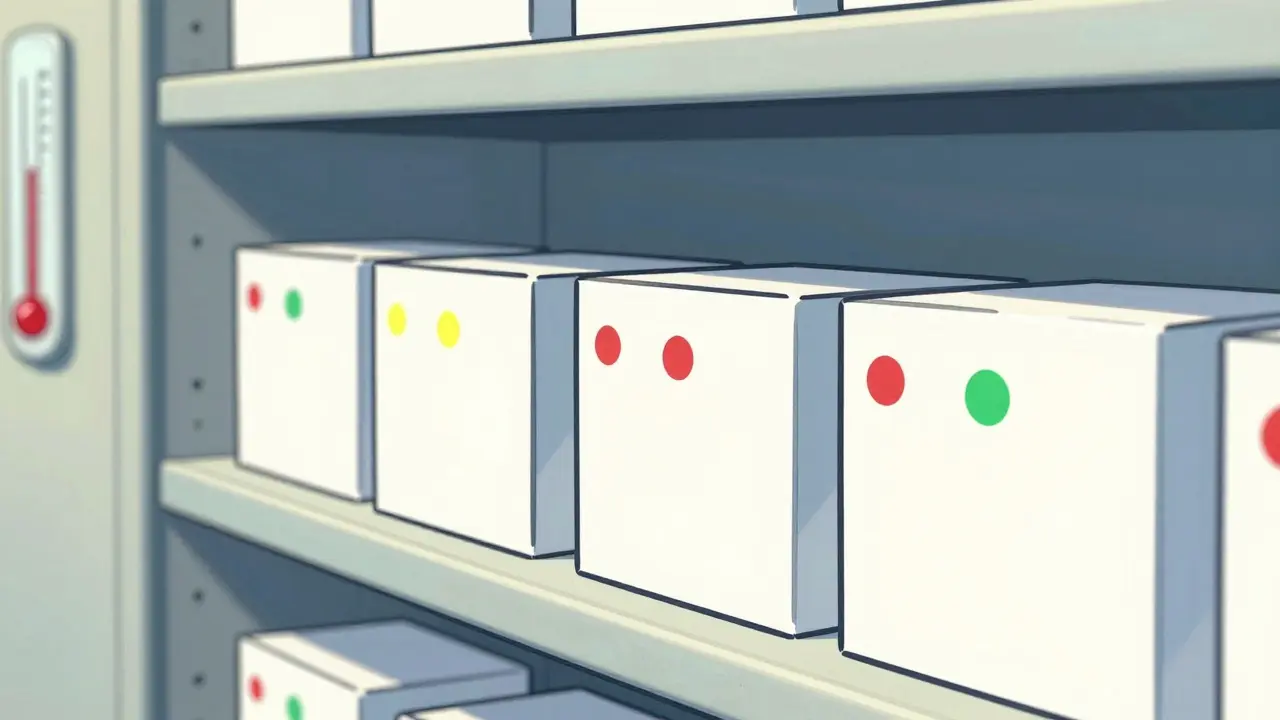
Without this, staff grab the easiest box to reach, often the newest one. The old box sits in the back until it expires. To make this work, label everything clearly. Use color-coded stickers for months expiring within 30, 60, or 90 days. Red for 30 days, yellow for 60, green for 90. This visual cue stops someone from picking an expiring box by accident.
Conduct weekly audits. Pick a day, say Friday morning, and walk the shelves. Check the red stickers. If a box is red and won't be used, move it to a "priority use" bin. This centralizes the urgency. In small clinics, this manual check can reduce waste by 15-20%. It takes time, but it pays off in saved inventory costs.
Technology vs Manual Tracking
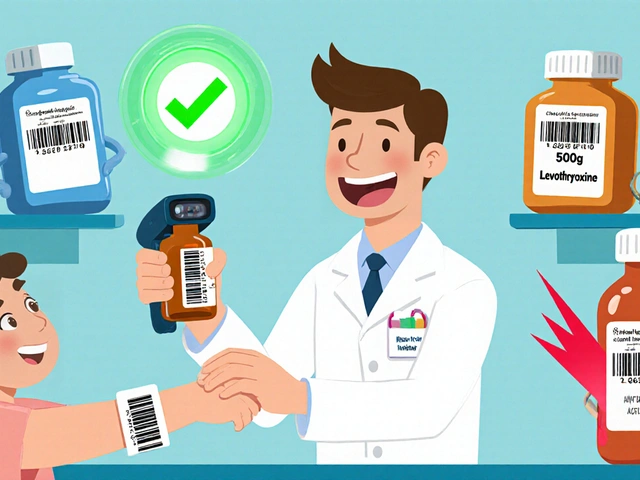
As operations grow, manual tracking becomes impossible. You need systems that alert you before a date passes. Electronic Prescribing Systems are software platforms that manage medication orders and inventory with automated expiration alerts. Modern systems scan barcodes and track every unit. They can tell you exactly how many days are left on a specific batch.
These tools reduce human error. A 2021 study showed barcode scanning provides 99.8% accuracy in inventory checks. They send emails or pop-up alerts when a drug is nearing its end date. This allows you to use the stock or return it to the supplier if the policy allows. Some advanced platforms use predictive analytics. They look at your usage history and order less of a slow-moving drug, preventing overstocking in the first place.
However, technology costs money. Small practices might not afford a full cloud-based system. For them, a simple spreadsheet with conditional formatting works. Set it to turn the cell red if the date is within 30 days. It is not as robust as dedicated software, but it is better than nothing. The key is consistency. Whether you use a $15,000 system or a spreadsheet, you must update it daily.
| Feature | Manual System | Electronic System |
|---|---|---|
| Cost | Low (under $5,000/year) | High ($8,000-$15,000/year) |
| Accuracy | 15-20% waste reduction | 25-30% waste reduction |
| Best For | Small clinics (<10 providers) | Larger facilities (20+ providers) |
| Alerts | Manual checks required | Automated notifications |
Safe Disposal and Take-Back Programs
Sometimes waste is unavoidable. When a drug expires or is recalled, you cannot just throw it in the bin. Take-back Programs are official collection services for disposing of unused or expired pharmaceuticals safely. They are the gold standard for environmental safety.
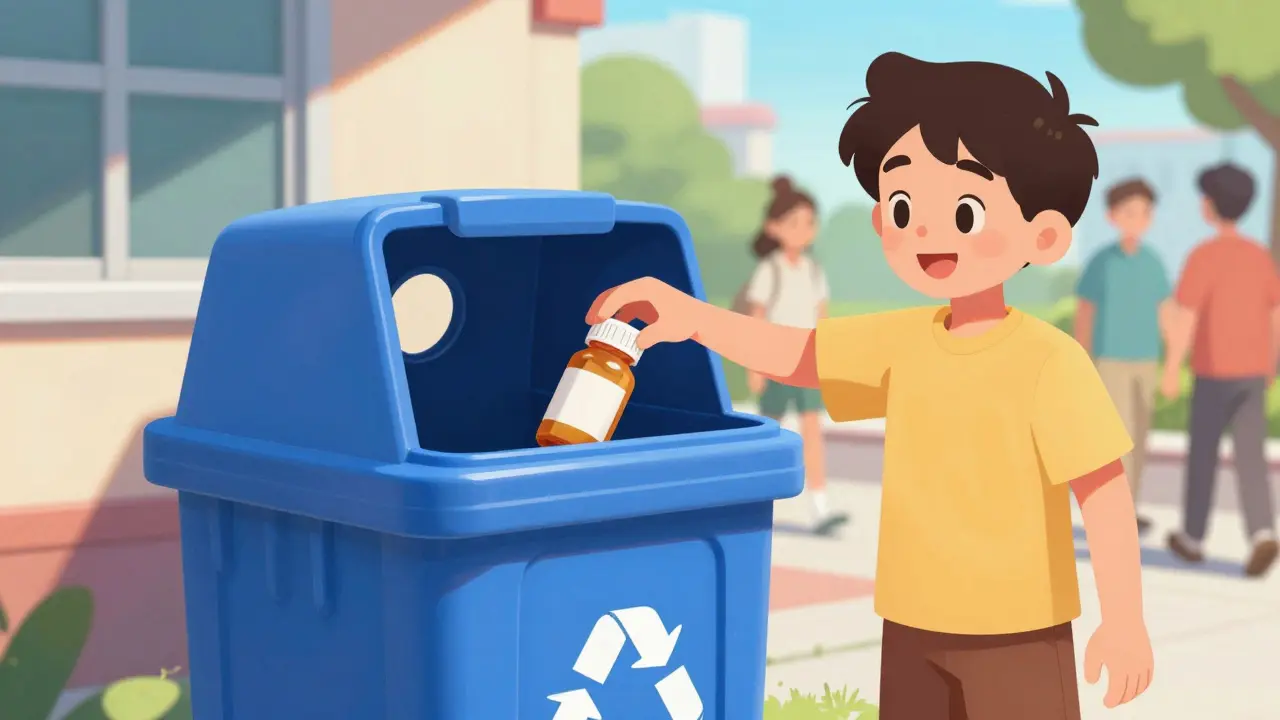
Flushing drugs is largely outdated and harmful to water systems. Only a specific list of opioids should be flushed if no other option exists. For everything else, use a designated collection site. Many pharmacies and police stations host these. In 2023, thousands of registered sites were available to serve the majority of regions. Using these programs ensures hazardous chemicals do not enter the landfill.
For hazardous waste, incineration is the only safe method. Some facilities still landfill these materials, which is a violation of environmental rules. If you run a clinic, you need a contract with a medical waste disposal company. They handle the logistics and certification. Keep records of every disposal batch. This documentation protects you during inspections and audits.
Training Staff and Building Culture
Tools and rules are useless without people who follow them. Training is the foundation of waste prevention. Staff need to understand why FIFO matters. They need to know how to read a temperature log. If a nurse thinks a drug is fine because it looks fine, they might use an expired one.
Make waste reduction part of the job description. Link performance bonuses to inventory efficiency. If the team saves money on waste, share some of those savings. This motivates everyone to check dates and report temperature issues. Regular workshops keep the knowledge fresh. A 2016 guideline from the World Health Organization noted that facilities with comprehensive training see significantly less waste than those without.
Encourage open communication. If someone finds a box expiring soon, they should speak up immediately. A culture of blame stops people from reporting near-misses. Instead, create a "no-fault" reporting system for inventory issues. This helps you spot trends, like a specific drug that always expires before use. Then you can adjust your ordering habits to match actual demand.
Optimizing Order Quantities
Overordering is the root cause of much waste. Dispensing smaller quantities aligned with treatment duration is highly effective. For chronic medications, a 30-day supply is better than a 90-day supply if the patient might change doctors or stop taking the drug. This reduces the amount of unused medicine sitting in the patient's home or the clinic's cabinet.
Use data to predict demand. Look at last year's usage for flu season or allergy season. Do not order the same amount every month if usage fluctuates. Split-fill prescriptions can help. If a patient needs a long course but might not finish it, prescribe the first half first. This ensures the medicine is used while fresh. It requires more administrative work, but it cuts waste significantly.
Finally, review your suppliers. Some allow returns on unopened, expired stock within a certain window. Others do not. Choose suppliers with flexible return policies when possible. It adds a safety net to your inventory management strategy.
Can I use medication past the expiration date?
Generally, you should not. While some drugs remain stable, the manufacturer only guarantees safety and potency until the printed date. Using expired medication risks treatment failure or adverse reactions.
What is the best way to store insulin?
Insulin should be refrigerated at 2-8°C before opening. Once in use, it can typically stay at room temperature for 28 days, but check the specific brand instructions.
How often should I check medication inventory?
Weekly audits are recommended for small facilities. Daily checks are better for high-volume pharmacies or critical care units to catch expiring stock early.
Is flushing medication safe for the environment?
No, flushing is harmful. Only specific opioids on the "flush list" should be flushed. Use take-back programs for almost all other medications to protect water systems.
Does technology really reduce medication waste?
Yes, electronic systems can reduce waste by 25-30% compared to manual methods by providing real-time alerts and accurate tracking of expiration dates.



Caroline Bonner
March 25, 2026 AT 19:16It is absolutely crucial that we look at the bigger picture here when discussing waste! The financial implications are staggering for any facility that does not take action immediately. We must implement systems that track every single unit from the moment it arrives. Storage conditions are often overlooked but they are the silent killers of our inventory... Temperature fluctuations can ruin a batch that cost a fortune to purchase. Humidity levels need to be monitored just as closely as the heat does. A simple thermometer is not enough to guarantee safety standards are met. Digital loggers provide a history that we can review during audits. This data is invaluable when trying to prove compliance to inspectors. The FIFO system is not just a suggestion but a requirement for efficiency. New stock must always go to the back of the shelf without exception. Color coding helps everyone on the team see what needs to be used first. Red stickers indicate urgency and should trigger a review process. We cannot afford to throw away medication that is still viable for patient care. Training staff on these protocols is an investment that pays for itself quickly. Consistency is the only way to make these changes stick in the long run!!
Aaron Sims
March 25, 2026 AT 22:20Oh sure, just trust the system blindly. They say it works but nobody is really watching the fridge. Probably nobody until something goes wrong. Manufacturers want us to believe the dates are absolute truth. It is all about liability and not actual safety. We should not waste money on digital loggers when a glance works fine. They just want to sell you expensive software. The whole industry is rigged to make you buy new stock constantly. I bet the expiration dates are extended if you really dig into the data. Nobody wants to admit that the old pills still work perfectly well. It is a scam to keep the profits flowing into corporate pockets. You can count on the waste being intentional rather than accidental. Stop listening to the experts who benefit from the turnover. Real safety comes from common sense not a spreadsheet. They are afraid of lawsuits more than they are afraid of sick people. It is all theater designed to keep you compliant!!!
Stephen Alabi
March 26, 2026 AT 01:16One must consider the regulatory framework surrounding pharmaceutical storage. The guidelines are explicit regarding temperature excursions. Compliance is not merely a suggestion but a legal obligation. Facilities that neglect these standards expose themselves to significant risk. The efficacy of the medication is compromised by environmental factors. It is imperative that protocols are followed with exactitude. Deviation from the standard operating procedures is unacceptable. The integrity of the supply chain depends on rigorous oversight. Any lapse in monitoring could result in adverse patient outcomes. We must uphold the highest standards of professional conduct. The data presented supports the necessity of electronic tracking systems. Manual methods are prone to human error and inconsistency. Investment in technology is justified by the reduction in waste. Furthermore, it enhances the overall quality of care provided. Adherence to these principles ensures operational excellence.
Agbogla Bischof
March 27, 2026 AT 18:48That is a very valid point regarding the regulatory framework. However, the practical application often faces hurdles in resource-limited settings. We have found that simple interventions yield significant improvements in inventory management. Temperature monitoring devices are becoming more affordable for smaller clinics. The key is to establish a routine that becomes second nature to the staff. Regular audits prevent small issues from becoming major compliance failures. It is essential to train personnel on the importance of the FIFO method. Color coding systems are effective tools for visual management of stock. We should also consider the specific stability profiles of different drug classes. Insulin requires different handling than oral tablets for example. Documentation of storage conditions is vital for any quality assurance review. Sharing best practices within the community helps everyone improve their systems. Collaboration leads to better outcomes for all stakeholders involved. The goal is to maximize utility while maintaining safety standards..
Rachele Tycksen
March 29, 2026 AT 11:22We really need to look at how we handle meds. It feels like we always throw things away and dont think about it. My clinic used to lose so much money on expired meds. We need to be smarter about how we store them. Maybe we should check the fridge more often. It is easy to forget about the dates until it is too late. I hope this helps people save some cash. Teh system sounds hard but it is worth it. We should try to use the old stuff first. It makes sense to do it that way. I am not an expert but this helps.
Pat Fur
March 31, 2026 AT 03:10Waste reduction is essential for sustainable healthcare practices.
Grace Kusta Nasralla
April 1, 2026 AT 15:59The weight of discarded medicine carries a moral burden we often ignore. Each bottle represents a potential life that was not supported by resources. We must feel the gravity of the waste we create in our daily operations. It is a quiet tragedy that happens behind closed pharmacy doors. The expiration date is a symbol of our fear of uncertainty. We cling to dates because they offer a false sense of security. True safety comes from understanding the nature of the substance itself. We should reflect on why we prioritize profit over preservation. The environment suffers from the chemical residue of our negligence. There is a deeper connection between our actions and the health of the community. We need to find peace in the balance of use and waste. This is a philosophical challenge as much as a logistical one.
peter vencken
April 2, 2026 AT 16:50hey i work in a small place and this is super useful. we dont have money for big systems so the spreadsheet idea is great. just make sure you update it every day or it fails. temp control is hard in the summer here. we use fans to keep the room cool sometimes. hope this helps others too.
Natasha Rodríguez Lara
April 3, 2026 AT 08:17It is wonderful to see practical solutions for smaller facilities. Every clinic has different needs and resources to work with. Finding a balance between cost and safety is the key challenge. We should support each other in sharing these management strategies. Community knowledge is a powerful tool for improvement. It is great that technology is becoming more accessible over time. We can all learn from the experiences of others in the field. Collaboration helps us move forward together towards better standards. The focus should remain on patient safety above all else. We are all working towards the same goal of efficient care.
Chris Crosson
April 3, 2026 AT 20:05You need to enforce these rules strictly or nothing will change. Management must prioritize inventory control as a core function. Staff accountability is required to make the FIFO system work. Ignoring the expiration dates is negligence and must be addressed. The data from electronic systems should be reviewed weekly. We cannot rely on memory or casual observation for safety. Compliance is mandatory and not optional for any licensed facility. Resources must be allocated to ensure proper storage conditions. Training sessions should be mandatory for all new hires. The cost of waste outweighs the cost of prevention measures.