Author: Finnegan O'Sullivan

Medication Side Effects in Elderly Patients: Understanding Age-Related Sensitivity
Learn why older adults are more sensitive to medications and how to identify adverse drug reactions. Explore the Beers Criteria and strategies to manage polypharmacy safely.
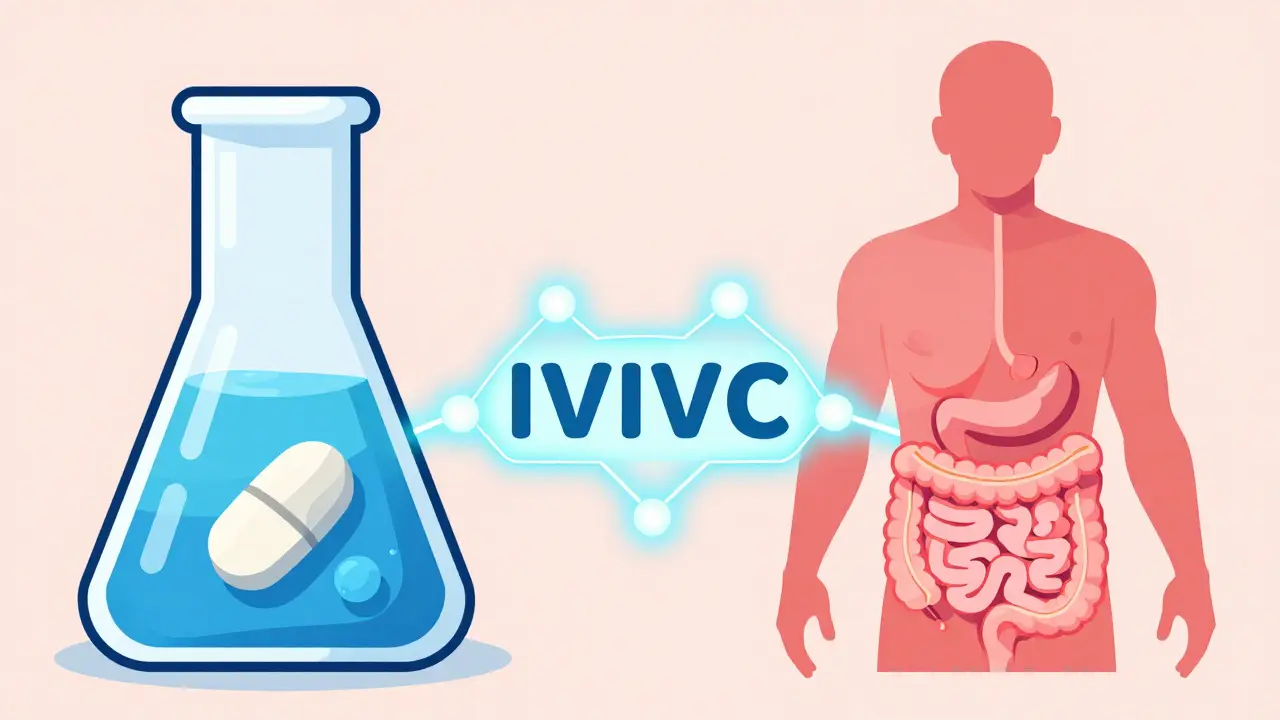
IVIVC and Biowaivers: Replacing Human Testing with In-Vitro Methods
Explore how In Vitro-In Vivo Correlation (IVIVC) allows pharmaceutical companies to replace expensive human bioequivalence trials with predictive lab testing.

What Medication Expiration Dates Really Mean for Your Safety
Understand the true meaning behind medication expiration dates, including drug potency, safety risks, and proper storage tips.
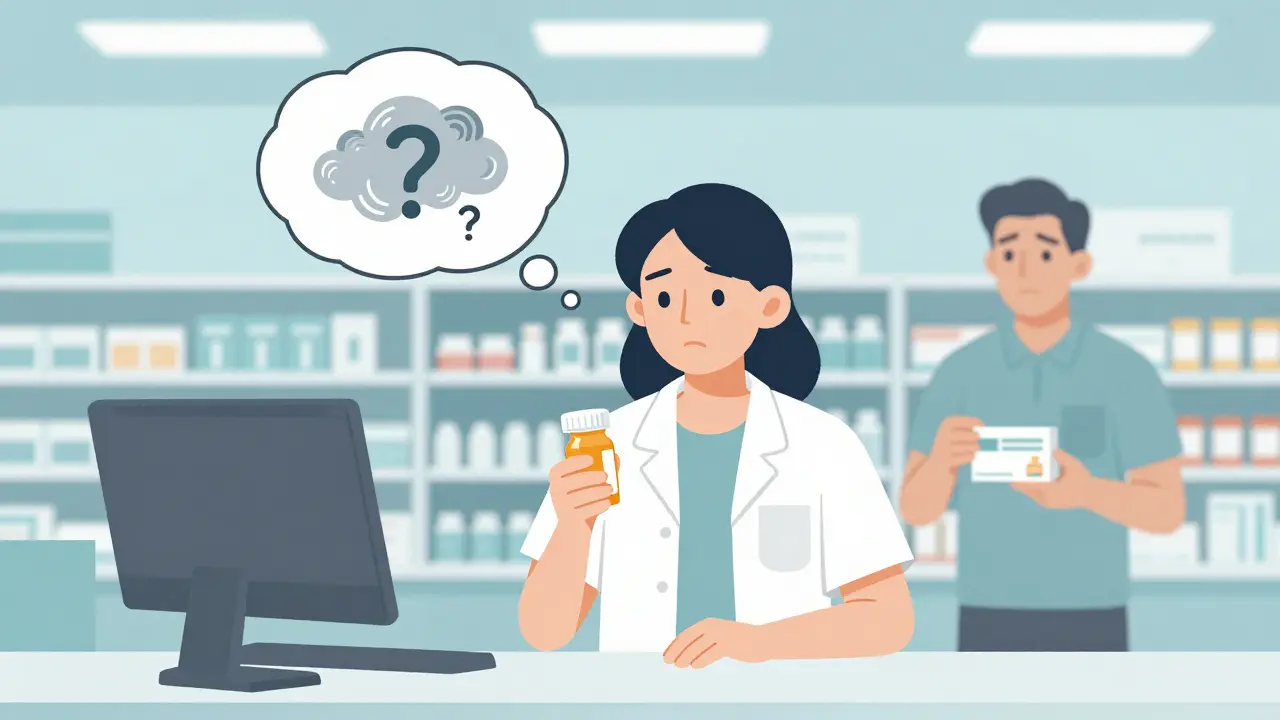
Managing Nocebo Effects and Patient Perception with Generic Medications
Discover how patient expectations shape medication experiences. Learn science-backed methods to overcome generic distrust, minimize nocebo effects, and build lasting therapeutic confidence.

Doctor’s Letter for Controlled Substances during International Travel
Learn how to secure the right medical documentation for carrying prescribed medications abroad. This guide covers requirements for controlled substance letters, customs rules, and how to avoid legal trouble while traveling.

How to Prevent Waste while Keeping Medications Within Date
Learn practical strategies to prevent medication waste while ensuring safety. This guide covers storage, inventory tracking, and disposal best practices for healthcare facilities.

Indian Generic Manufacturers: The World's Pharmacy and Exports
India produces over 20% of the world's generic medicines, supplying affordable, high-quality drugs to billions. From the U.S. to sub-Saharan Africa, Indian manufacturers are the backbone of global access to essential medicines.

Medicare Part D Substitution: What You Can and Can't Switch Under Your Drug Plan
Medicare Part D substitution rules determine which drugs you can switch to under your prescription plan. Learn how formularies, cost-sharing tiers, and the $2,000 out-of-pocket cap in 2025 affect your drug choices and what you can do to avoid unexpected costs.

Genetic Testing for Cancer Risk: BRCA, Lynch, and Beyond
Genetic testing for BRCA, Lynch syndrome, and other cancer risk genes can prevent cancer before it starts. Learn how multigene panels work, who should be tested, and what to do with your results.

Alcohol and Sleep Medications: Why Mixing Them Can Be Deadly
Mixing alcohol with sleep medications like Ambien or Lunesta can dangerously slow your breathing and cause fatal overdoses-even with just one drink. Learn why this combination is more dangerous than you think and what safer alternatives exist.
Recent-posts

A Closer Look at the Clinical Studies of Avanafil
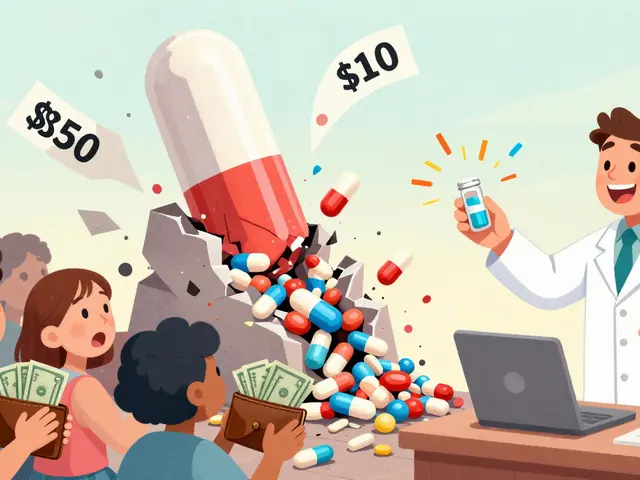
Economic Impact of Patent Expiration: When Drug Prices Drop
IVIVC and Biowaivers: Replacing Human Testing with In-Vitro Methods

How Parkinsonism Affects Kids and Teens: Signs, Diagnosis, and Care